Get Full Government Meeting Transcripts, Videos, & Alerts Forever!
Get email alerts on the Vegetation Management topic
No spam. Unsubscribe anytime.
Douglas County adopts vegetation-management plan after public debate over herbicide use
Summary
The Douglas County Commission approved a two‑year Vegetation Management Plan that tightens herbicide reporting and preserves options for native revegetation after residents praised transparency while a local contractor questioned usage figures and equipment deployment.
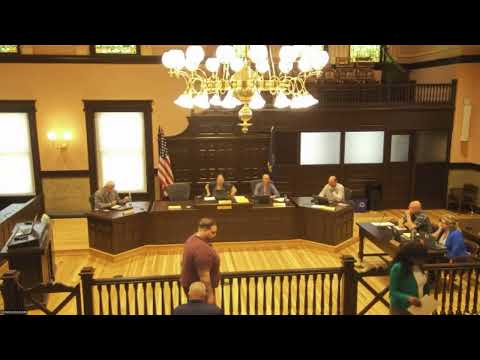
The Douglas County Board of Commissioners unanimously approved the Public Works Department’s 2026 Vegetation Management Plan on April 15, the board said at its regular meeting in Lawrence.
The plan, a required two‑year review of the county’s roadside mowing, noxious‑weed control and herbicide application policies, updates factual information about staff, budget and equipment and includes an annualized herbicide‑use report. Public Works staff described the document as an operational guide that clarifies expectations for staff and the public.
The Heritage of the item was underscored in public comment. A resident representing local environmental groups praised staff for cutting the volume and toxicity of chemicals used and for improving transparency: “He explained, we learned. He learned,” the resident said, thanking Public Works staff for responding to community input. Public works staff said the plan allows for native grass plantings on county‑managed corridors where appropriate and includes ongoing attention to revegetation and public‑space management.
Contractor and watershed specialist John Landon challenged the plan’s numbers in public comment, saying the report suggested the county had nearly eliminated herbicide applications and questioning how county staff and roughly $400,000 in specialized equipment were being used if only a small number of acres were treated. “You’ve eliminated them completely — all but 15 gallons a year,” Landon said, arguing the report’s accounting made little operational sense and urging clearer explanations in future reports.
Commissioners and staff discussed how revegetation and native‑plant strategies might be rolled into broader park master‑planning work. Public Works said some county‑owned properties already use native grasses in remnant rights‑of‑way and that sites with intensive recreational use (such as Lonear Lake) present tradeoffs for durability and fire suppression.
After discussion the commission moved, seconded and approved the plan. The adopted document will guide roadside maintenance and noxious‑weed control for the next review cycle, and staff said they will continue community outreach about revegetation and future site planning.
The approval was procedural; commissioners noted the plan does not itself change existing permits or authorizations for chemical applications beyond the written policy and reporting contained in the new plan.