Get Full Government Meeting Transcripts, Videos, & Alerts Forever!
Get email alerts on the Public Health topic
No spam. Unsubscribe anytime.
State rabies lab director Robert Rudd urges residents to catch bats found in homes for testing
Summary
Robert Rudd, director of the state rabies diagnostic laboratory, urged residents to capture any bat found in a home that may have contacted a person or pet and to contact local health departments to have the bat tested at the state lab to reduce rabies risk and avoid unnecessary treatment.
Robert Rudd, director of the state rabies diagnostic laboratory, urged residents to capture any bat found inside a home if there is any chance it contacted a person or pet and to have the animal tested for rabies.
"Not all bats have rabies," Rudd said. "But if you find a bat in your home and there is any chance that the bat came in contact with a person or pet, make sure you catch the bat for rabies testing." He said testing is especially important when a bat is found near an unattended child or someone who is sleeping because exposures may be unnoticed.
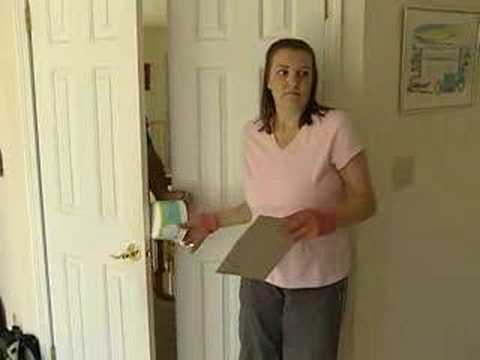
Rudd outlined safe steps to trap a bat: first close windows and doors and keep your eyes on the bat; use a container with a lid or stiff cardboard and wear gloves if possible; when the bat lands, approach slowly, place the container over it, slide the cardboard underneath to trap it, and then cover or tape the container shut. "First close the windows and doors and don't take your eyes off the bat," he said, and later advised, "use a container with a lid or stiff cardboard and use gloves if possible."
He warned that if a bat is not caught and tested, "the person may need rabies treatment," and directed residents to contact their local health department to arrange testing at the state laboratory. Rudd said that by catching the bat and having it tested, residents can reduce their risk of rabies and potentially avoid unnecessary post-exposure treatment.
Local health departments coordinate specimen submission to the state rabies diagnostic laboratory for testing and will advise on exposure assessment and whether post-exposure prophylaxis is needed. The advisory focused on immediate steps residents can take after finding a bat in their home and did not include new policy changes or funding announcements.