Get Full Government Meeting Transcripts, Videos, & Alerts Forever!
Get email alerts on the Employee Healthcare topic
No spam. Unsubscribe anytime.
Harrison County hears proposal for county‑funded employee clinic offering zero‑copay primary care
Summary
At the April 25 meeting, Austin Davidson of B&D Health Care Solutions proposed a concierge clinic for Harrison County employees and eligible dependents that would provide same‑day primary care visits and many routine labs at no copay; commissioners discussed whether the county would pay a monthly fee (presenter cited $30 per employee/$20 per dependent) but took no final vote.
County officials on April 25 heard a plan from B&D Health Care Solutions to offer a county‑sponsored primary care clinic to Harrison County employees and their dependents.
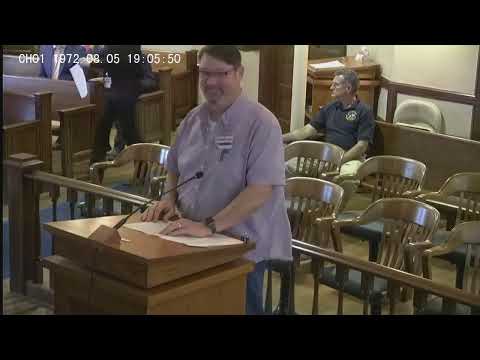
Austin Davidson, identified in court as an FNP‑C with B&D Health Care Solutions PLLC, described a concierge‑style clinic that would not bill insurance for routine visits. "When y'all come to see us we've got...0 co‑pay — meaning y'all walk through the door you owe nothing," Davidson said, laying out services that would include same‑day appointments, 30‑minute visits, management of chronic conditions such as diabetes and blood‑pressure monitoring, routine labs (PSA, CBC, CMP, TSH, lipid panels) and basic procedures such as suturing. He said specialty labs and certain radiology services would still be handled externally and could generate separate charges.
The county’s presiding judge and commissioners discussed financial and operational details. The judge framed the proposal in budget terms, noting the county is self‑funded for health care and that the clinic could reduce claims costs: "If more of our folks can use you, the more dollars it'll save on our self‑funded health care plan," he said. Davidson confirmed the firm’s pricing model includes an option the county could pay for on employees' behalf: "In your paperwork you're offering to charge for employees $30 a month per person and $20 per dependent," he said; paying for 10 months would effectively provide 12 months of coverage in the presenter’s pricing example.
Staff and commissioners pressed logistics and limits. Davidson said pediatric vaccines are not offered because patient volume does not support vaccine storage; children five and older could receive sick visits and physicals. He said the clinic has no X‑ray on site and would refer patients when imaging is needed. County staff (Miss Hayes) confirmed administration could accommodate start‑dates and discussed whether the county would pay up front or incorporate the cost into the next fiscal cycle; Hayes said starting May 1 and paying for 10 months to receive 12 was operationally feasible.
The presentation emphasized access and cost control: Davidson said a primary county clinic could reduce use of emergency rooms and lower claims on the county’s self‑funded plan. Commissioners asked practical questions about enrollment, dependent coverage and billing adjustments when employees are hired or leave; Davidson said the provider could accommodate monthly or quarterly reconciliations and that the county would likely pay for a baseline number of covered employees and reconcile changes.
No formal vote or execution of an agreement was recorded in the court transcript during this presentation. The county discussed timing and budget implications and asked staff to clarify implementation logistics; the item remained under consideration at the close of the recorded discussion.
The court's next step, based on the discussion, would be for staff to return with cost‑allocation options and a procurement or contract recommendation before any binding agreement is approved.