Get Full Government Meeting Transcripts, Videos, & Alerts Forever!
Get email alerts on the School Safety topic
No spam. Unsubscribe anytime.
District outlines new threat-assessment steps and digital monitoring to detect school threats
Summary
Dean of Students Joan Nelson told the board the district has expanded behavioral threat-assessment teams, partnered with the U.S. Secret Service and a county threat-assessment coalition, and added digital threat-assessment capabilities to detect potential targeted violence earlier.
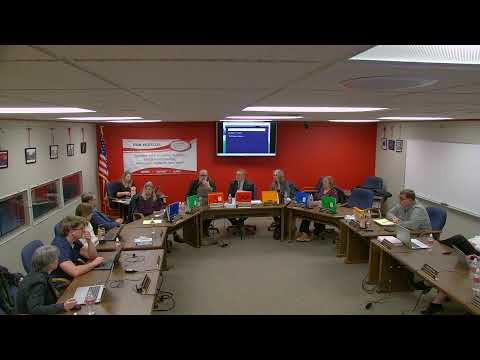
Dean of Students Joan Nelson briefed the board on the district's expanded threat-assessment and prevention efforts, describing a layered approach that combines in-school behavioral threat assessments, trained building-level teams, interagency coalition work and improved digital monitoring.
Nelson cited national findings to frame the work: the U.S. Secret Service review of 67 averted targeted school-violence plots, which she said found grievance to be the top motive and that perpetrators often share intentions before acting. "In 94 out of 100 times they are telling somebody something," Nelson said, stressing that peer reporting and early detection are core to preventing violence.
She described the district's procedural steps: a Wisconsin Department of Justice behavioral threat-assessment flowchart used by staff; behavioral threat assessment and management teams established in every building; collaboration with local and state law-enforcement analysts for subpoena-driven investigations when needed; and formation of the Chippewa County School Threat Assessment Coalition to pool training, resources and expertise. Nelson also said she completed a certified social media intelligence credential to help the district better follow suspect online behavior and that staff are using digital indicators to connect disparate pieces of information.
Board members praised the work, noting the difficulty of balancing transparency with operational security and encouraging greater community outreach. One board member said the presentation would be useful at public events and recommended continued public education about the process. Nelson emphasized the distinction between behavioral threat assessment (a protective, noncriminal review focused on prevention) and criminal investigation, which may involve subpoenas and law enforcement.
The board did not take formal action on the presentation; members thanked Nelson and confirmed plans for public-facing materials and a STACK presence at a district engagement event.