Get Full Government Meeting Transcripts, Videos, & Alerts Forever!
Get email alerts on the Community Development topic
No spam. Unsubscribe anytime.
Lodi Council approves 2026–27 CDBG annual action plan allocating $665,263 to housing, alleyways and public services
Summary
The City Council approved the 2026–27 Community Development Block Grant action plan allocating an entitlement of $665,263 to administration, capital projects and public services including senior services, alley improvements and homelessness reductions; staff will submit the plan to HUD within 10 days.
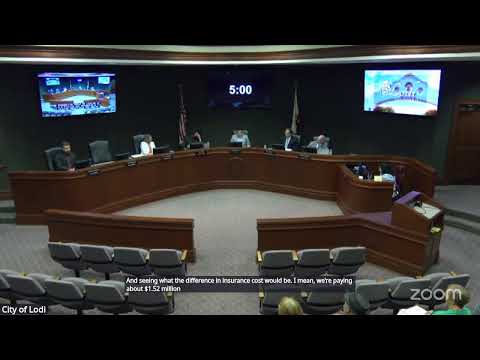
The Lodi City Council on June 3 approved the 2026–27 Community Development Block Grant (CDBG) annual action plan, authorizing staff to submit the plan to the U.S. Department of Housing and Urban Development.
Neighborhood Services Manager Jennifer Ryan told council the city is an entitlement jurisdiction and the FY2026–27 allocation is $665,263. Ryan said the city must follow HUD caps (public services limited to 15 percent and planning/administration to 20 percent) and described the draft allocations for the program year beginning July 1, 2026.
Key allocations and projects: staff recommended capital and program funds for a mix of projects and public services: $100,000 for Delta Community Development (senior Lodi Commons project), $30,000 for Salvation Army Hope Harbor laundry equipment (supplemented with CV funds), approximately $205,000 for an alleyway improvement project (with $30,000 in activity delivery costs), and public service awards to community organizations (Community Partnerships for Families, Prevail Propel, Greater Valley Food Assistance and Lowell Meals on Wheels). Ryan said administration, planning and fair housing activities are budgeted and that any unspent funds can be carried forward to future capital projects.
Council discussion and oversight: council members asked for clarity on program eligibility, alley selection methods (Public Works will drive and score alleys annually), the graffiti abatement funding split ($30,000 total with $15,000 charged to administration and $15,000 to public services), and how council priorities align with HUD‑fundable activities. Staff noted the draft plan was posted for a 30‑day comment period and no comments were received during that window.
Next steps: Council approved the action plan and staff will submit it to HUD within 10 days. The plan becomes effective for the program year starting July 1, 2026. Ryan said the city will continue required environmental reviews and tribal consultations for capital projects where applicable.