Get Full Government Meeting Transcripts, Videos, & Alerts Forever!
Get email alerts on the Zoning topic
No spam. Unsubscribe anytime.
Township to advertise ordinance tightening 'adult-use' definitions and extend roadway-restoration moratorium
Summary
East Cocalico supervisors voted to advertise two draft ordinances: revised definitions for 'adult uses' intended to aid human-trafficking enforcement, and a revision extending the roadway-restoration moratorium from four to six years; hearings will be scheduled per statutory advertising requirements.
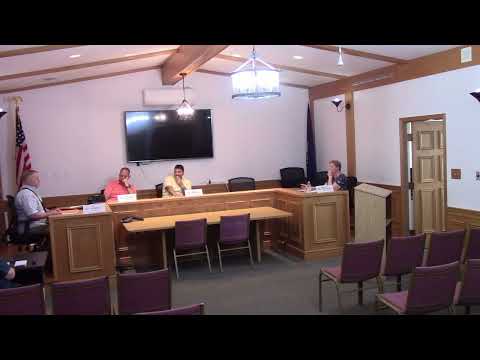
East Cocalico Township supervisors voted June 4 to advertise two draft ordinances: one revising local definitions related to "adult uses" and another extending the roadway-restoration moratorium from four to six years.
Rich Sickler, the township assistant manager, told the board the adult-use language was revised in part to mirror clarified definitions used in neighboring East Lampeter Township and to support local human‑trafficking task‑force efforts. "We essentially work off of East Lampeter Township as a much more clarified definition," Sickler said during the discussion.
A staff member clarified how existing businesses would be treated under the changes, saying that operations not in conformity with a new ordinance would be considered nonconforming and would only need to comply if they later changed their use. "If they were to then change anything about their use, they would have to comply with the new ordinance," the staff member said.
Supervisors approved motions to advertise both drafts and discussed timelines. The roadway-restoration amendment must be advertised twice under local rules and could be scheduled for a hearing as soon as June 18 or at the July 2 meeting; the adult-use ordinance will require additional advertising time and a later hearing date because of statutory notice requirements.
Nut graf: The proposed adult-use definition changes are intended to give township officials clearer enforcement tools in coordination with county anti–human‑trafficking efforts; the roadway-restoration change aims to lengthen the time developers must wait before disturbing newly restored pavement.
Board members said they expect to review formal draft language, supporting materials and solicitor input before public hearings. The board did not vote on final ordinance language on June 4; the motions approved were limited to advertising the proposed ordinances and setting the statutory notice process in motion.
Next steps: staff will circulate final draft language and advertising dates, then the board will hold advertised hearings before taking any adoption votes.