Get Full Government Meeting Transcripts, Videos, & Alerts Forever!
Get email alerts on the Public Health Response topic
No spam. Unsubscribe anytime.
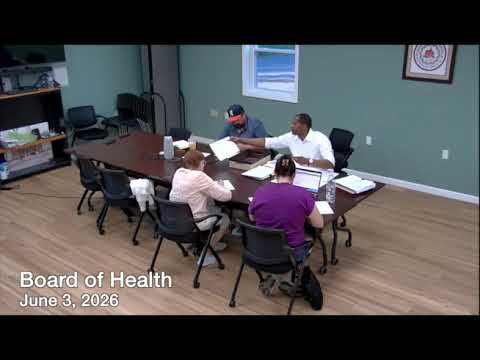
Board of Health reviews tuberculosis response, lead testing and recommends SOP and part‑time town nurse
Summary
Hopkinton Board of Health members reviewed how TB cases are handled, clarified MAVEN and state case‑management roles, discussed daily adherence checks and lead testing requirements, and recommended drafting a standard operating procedure and exploring a part‑time town nurse position.
Board members and public‑health staff used an extended portion of the meeting to clarify responsibilities and procedures for tuberculosis (TB) and lead‑poisoning follow up, and to discuss staffing needs for routine public‑health work.
A board nurse summarized how TB cases enter the state system, saying, "So, when a TB case comes into Hubbardston... If it's a suspect case that comes in, it's been registered in the MAVEN. If it's a suspect case, it does not get investigated." The nurse and board members reviewed the difference between suspect and active TB cases, explained that the state assigns case managers for active cases (several state staff were named during the discussion), and described the role the board must play to ensure a case completes its treatment plan.
Members discussed why daily adherence checks are sometimes used: the nurse explained that patients often stop medication once they feel better, and daily contact—by phone, community‑health worker or another trusted person—helps ensure treatment completion and detect side effects. The nurse described treatment durations ranging from roughly two months up to as long as 18 months depending on severity and medications.
Board members noted confusion in past discussions about certifying staff for TB work and lead testing. The nurse clarified that no separate TB‑nurse certification is required for an RN with an active license and that phlebotomy training is the typical qualification needed to handle lead testing draws. The board agreed to pursue a clear, written standard operating procedure (SOP) outlining the referral and follow‑up process, who signs reports, and when the board convenes in case management.
Several members recommended the town consider hiring a part‑time town nurse to centralize follow‑up, manage MAVEN duties and reduce reliance on volunteer board members handling day‑to‑day case work. One member said budget and job‑classification questions will be taken to the town administrator for follow up.
Health inspector Cathy Hansgate also reported completing two private kitchen inspections and a school inspection, and noted ‘‘healthy bins’’ near the DPW were not being emptied; she said she would contact the responsible parties. The board asked staff to draft an SOP and to coordinate with state TB clinic case managers if a local active case is identified.
Next steps: staff will draft a TB/lead follow‑up SOP, explore options and costs for a part‑time town nurse, and coordinate with the state case manager if a local suspect or active TB case is reported.