Get Full Government Meeting Transcripts, Videos, & Alerts Forever!
Get email alerts on the Curriculum Staffing topic
No spam. Unsubscribe anytime.
Teacher and residents urge board to reverse sixth-grade cut that would eliminate standalone social studies
Summary
A Wheeler grade-six teacher and town residents told the North Stonington Board of Education that trimming sixth-grade staffing this spring risks eliminating dedicated social studies across grades 4–6, urging the board and new superintendent to find funding or reallocate resources to restore instruction.
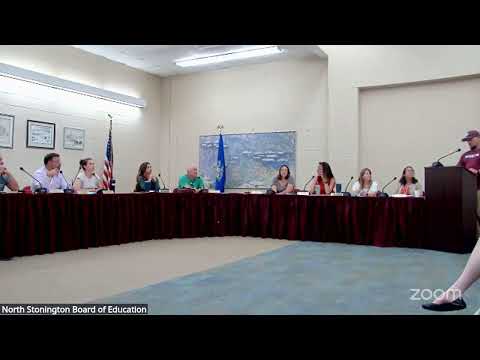
Mike Castanza, a sixth‑grade teacher, told the Board of Education at its June 3 special meeting that an April decision to reduce sixth‑grade teaching positions from four to three will force science and social studies to share instructional time and could end dedicated social studies instruction in grades 4–6.
"They state that we will teach 'a rich and inclusive curriculum that helps to foster the development of globally aware citizens,'" Castanza said, asking whether those words reflected current classroom practice. He said the change "robs our students academically in both science and social studies" and highlighted concerns about larger class sizes during an important transition year to middle school.
The concerns were echoed in correspondence read to the board from Courtney Kaswell, who warned that the staffing reduction "could result in social studies no longer being taught as a core subject in grade four to six" and said the change may not align with Connecticut standards or the district's stated curriculum goals.
Board members and the chair acknowledged the substance of those concerns. The chair said administrators will present a fuller report on sixth‑grade transitions at the next meeting and encouraged Castanza to confer with his principal in the interim.
Board members discussed possible short‑term funding sources raised by speakers — including applying any returning ECS aid or seeking grants — and asked administrators to return a formal explanation of the staffing change and options for preserving instructional time. No vote or formal reversal occurred; the item will be the subject of a presentation and further board discussion at the next meeting.
The public record shows parents and staff pressing the board to weigh the curricular impact of budget and staffing decisions and to provide clear documentation about how those choices meet state standards and district values. The board scheduled an administrative presentation on sixth‑grade transitions at its next meeting for more detail and potential next steps.