Get Full Government Meeting Transcripts, Videos, & Alerts Forever!
Get email alerts on the Foster Care topic
No spam. Unsubscribe anytime.
Farmington mayor spotlights Child Haven’s therapeutic foster care and urges volunteers, foster parents and donations
Summary
On Mayor Nate Ducket’s Mayor’s Table, Child Haven leaders described the nonprofit’s emergency shelter, CASA volunteer program and therapeutic foster care model, and made a public call for foster parents, Native American families, volunteers and specific donations.
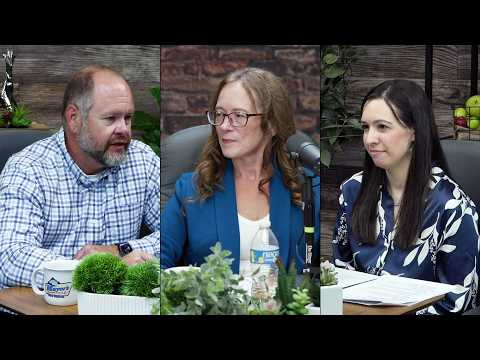
Mayor Nate Ducket hosted two leaders from Child Haven to discuss the nonprofit’s emergency shelter, its Court Appointed Special Advocate (CASA) volunteer program and a therapeutic foster care model designed to support children with behavioral-health needs.
Andrea Pena, foster care director at Child Haven, described the shelter as open 24 hours a day, 365 days a year and able to accept children ages 0–17 so siblings can stay together. She said bed capacity “fluctuates” with state guidelines and is currently anywhere between about 16 and 32 beds.
Pena and Jennifer Gray, Child Haven’s development director, framed the therapeutic foster care program as an evidence-based, programmatic model that emphasizes training and 24/7 support for foster parents. “The primary difference I would say lies within that training and support,” Pena said, describing a treatment-team approach that includes therapists, treatment coordinators, CASA volunteers, foster parents and social workers who meet regularly to set goals and document progress.
Child Haven staff said therapeutic placements typically last about a year and require an assessment and documentation from a licensed therapist before enrollment. Pena described a 30-hour initial training curriculum and ongoing instruction for foster parents, plus a “safe-home” study and background checks that Child Haven submits to the state licensing department for final approval.
The program also highlights CASA volunteers, who Pena said file court reports and make recommendations to judges. Speakers said CASA recommendations are accepted by judges at a high rate (reported in the conversation as about 94 percent).
Gray described recent marketing and recruitment efforts aimed at increasing the number of foster parents in the Four Corners area, including tri-folds, print advertising, streaming video and monthly information sessions on the first Thursday at 5:30 p.m. at Child Haven’s foster-care building. The speakers specifically asked for more Native American foster families so children can remain connected to their culture.
Child Haven staff listed current donation needs—luggage for children transferring placements, larger-size pull-ups for older toddlers and family-activity gift cards—and provided contact details and a public phone number (505-325-5358, option 1) and the website childhavenm.org/casa for volunteers and prospective foster parents.
The mayor and guests closed with personal stories emphasizing stability and reunification as goals, and repeated the call to action: attend an information session, volunteer with CASA, donate needed supplies or contact Child Haven to consider becoming a therapeutic foster parent.
The program did not announce new city funding or a formal vote; it was a community information and recruitment segment.