Get Full Government Meeting Transcripts, Videos, & Alerts Forever!
Get email alerts on the School Fees topic
No spam. Unsubscribe anytime.
Twinsburg board considers flat-fee athletics, 10% academic fee increase and staff reductions
Summary
District staff presented a draft student-fee plan after a failed operating levy: propose a $250 flat fee per high-school athletics program ($125 at RBC), a 10% increase to academic club/activity fees, and several non-replacement staff proposals to save roughly $480,000 for 2026–27.
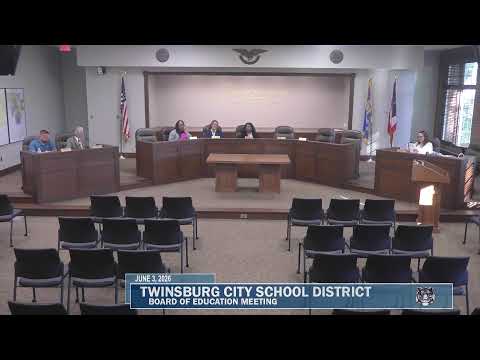
District staff presented a draft plan for student fees and proposed staffing changes at the Twinsburg City School District board meeting; the presentation was explicitly noted as a draft and not a formal recommendation.
Business manager Matt Strickland (identified in meeting remarks) described proposed staffing adjustments to reduce expenditures for 2026–27, including not replacing a maintenance supervisor (work to be absorbed by existing staff), converting a speech-language pathologist to half-time at the employee’s request, and not replacing an art teacher. He also described a proposed reduction of one central-office administrative position and other reassignments. The presentation included estimated expenditure reductions described in round figures (examples cited in the presentation: about $68,000 for certain reductions; $174,000 for a central office reduction; and a total reduction figure discussed in the presentation around $480,000).
On student fees, the staff draft proposes a 10% blanket increase to academic clubs and activity fees and a move from a variable, multi-component model to a simpler flat-fee structure for pay-to-participate activities: $250 flat per program at the high school and $125 per program at RBC (middle school). The draft also proposes lifting a family cap and increasing preschool tuition from $2,700 to $3,000 and the IP peer-model tuition from $2,350 to $2,500. Staff noted the flat-fee model produces different impacts across programs and that some high-revenue programs (for example, high-school basketball and football) would see fee decreases under this model while others would increase.
Board members asked for clarifications about current-season fees (the presentation cited high-school football at about $380 this year) and how free and reduced benefits are handled: staff confirmed that families on the reduced lunch program receive a 50% discount and families qualifying for free lunch have fees waived. Board members also emphasized ongoing review, year-to-year responsiveness and the role of the finance committee in auditing advisor and supplemental positions to ensure accountability.
No formal vote was taken on fee changes or staffing deletions at the meeting; staff indicated the figures are draft and under continued review.