Get Full Government Meeting Transcripts, Videos, & Alerts Forever!
Get email alerts on the Budget Finance topic
No spam. Unsubscribe anytime.
Taylor School District reviews budget amendments and asks board for more detail on ESSER‑fund transitions
Summary
At a June 3 committee meeting the district presented a final amendment for the fiscal year and a proposed 2026–27 budget; leaders said current‑year expenditures exceed revenues because of one‑time capital needs and that some positions formerly paid with ESSER grants have been shifted to the general fund, prompting board requests for a detailed list of those positions.
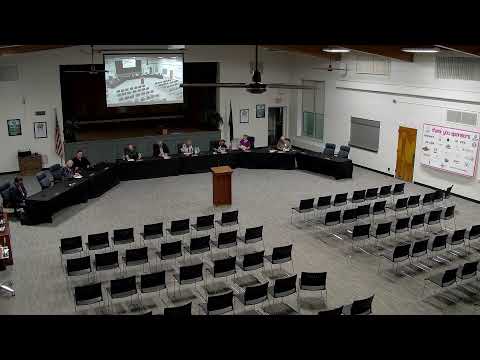
The Taylor School District presented a final amendment for the current fiscal year and an original budget proposal for 2026–27 at its June 3 Committee of the Whole meeting, prompting questions from board members about the use of federal ESSER funds and how grant‑funded positions migrated into the general fund.
"School districts are required annually to have the board adopt a budget in which we're going to use to operate by July 1st of each year," Dr. Hill said, opening the budget presentation and outlining major current‑year amendments. She reported revenue for the current year at about $90.7 million and expenditures near $100.7 million, with a projected ending fund balance of roughly $27.6 million. Major one‑time expenditures cited were roofing work (about $7 million) and buses (about $1.3 million).
Why the gap matters: Dr. Hill said those capital costs must come from the district fund balance because state aid does not cover large capital replacements. For 2026–27 she proposed a $94.5 million revenue estimate and $93.5 million in expenditures with a projected fund balance again near $27.6 million, and noted projected enrollment would drop slightly from 5,247 to roughly 5,100 students.
Several board members pressed the administration for more transparency about personnel costs previously covered by federal ESSER funding. Board members said they were told during the pandemic that ESSER support was temporary and asked how many positions paid with ESSER had been carried into the general fund.
"When ESSER funding ended, districts that had used it for staff faced a choice; those personnel costs are now reflected in the general fund," Dr. Hill said. She confirmed some roles were transitioned over time and said the district had worked with the state to phase that work in. District finance staff agreed to provide a detailed list of positions that were moved from grant funds to the general fund and to discuss the items at the finance committee.
Board members requested that the administration return with the specific dollar totals and position list before the next round of budget approvals. The board also discussed the district's L4029 property tax levy calculation (the presentation listed a 17.56% levy and noted the district could pursue an 18‑mill buffer to avoid revenue shortfalls).
The administration stressed that some of the drawdown on the fund balance is the result of earlier, one‑time capital decisions and that the district is using the budget amendment process to align appropriations with current costs. The administration also said it will provide the board the requested list of former ESSER‑supported positions and the timeline for any remaining transitions.
Next steps: The administration will supply the personnel list and related budget detail to the board’s finance committee and prepare any required budget amendments for future board action. The district said it will continue to monitor state revenue and enrollment before finalizing the 2026–27 budget.