Get Full Government Meeting Transcripts, Videos, & Alerts Forever!
Get email alerts on the Data Centers topic
No spam. Unsubscribe anytime.
Lockport holds community workshops as city and experts advise caution on proposed data‑center plans
Summary
City officials convened a public workshop to discuss a possible data‑center proposal for the Star Innovation District; panelists warned about regional power and water impacts, recommended reclaimed‑water cooling and third‑party monitoring, and residents urged strong local safeguards or a referendum. The city says no deal exists and the LOI expires July 1.
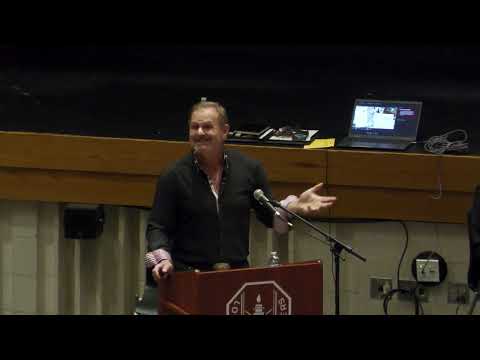
Lockport officials, regional planners and utility and water experts told residents at a packed workshop that the city currently has no binding proposal for a data center on the 180‑acre Star Innovation District property and that any future deal would require community input and specific mitigation requirements.
"There is no proposal on the table," Mayor Steve Stright told the audience, adding the city only granted a time‑limited letter of intent so a broker could perform due diligence and that the LOI expires July 1. Stright framed the workshops as an early attempt to "not do that same pattern" of projects being approved without meaningful public engagement.
The panel—featuring Kyle Schultz of the Chicago Metropolitan Agency for Planning (CAP), Meera Raja of P33, Sarah Moscowit of the Citizens Utility Board and Rachel Havlock of the University of Illinois Chicago Freshwater Lab—outlined the principal tradeoffs the city will need to address if a developer seeks to move forward: large, continuous electric demand and its effect on wholesale markets and residential bills; substantial water use and the interaction of cooling choices with groundwater and wastewater; and local environmental and health risks from backup generators and chemical blowdown.
Sarah Moscowit, the Citizens Utility Board executive director, explained how wholesale market dynamics can raise costs for residents when very large loads are forecast. "We have been operating in the dark," she said, noting the independent market operator PJM and utilities respond to forecasted demand by signaling higher prices and by requiring larger upfront deposits from large customers. Moscowit said Illinois regulators have approved a large‑load tariff that improves protections but does not eliminate the risk that residential ratepayers could shoulder costs if projected projects do not materialize.
On water, Rachel Havlock said hyperscale data centers can be very water intensive. "A hyperscale data center can use up to 5 million gallons of water a day," she said, adding that reclaimed effluent—treated wastewater—can be a practical alternative and should be required if a center were to be sited here. Havlock and the mayor both emphasized the city can demand effluent use and other conditions because it owns the property.
Panelists recommended specific protections that municipalities can require if they consider negotiating with a developer: contracts requiring non‑potable (effluent) cooling water; third‑party, independent monitoring paid for by the developer; limits on backup diesel or natural‑gas run‑time and strict noise‑limit enforcement at the property boundary; construction of adaptable, reusable buildings with an escrowed sinking fund to cover repurposing if the industry leaves; and transparency about projected electricity and water use (to be disclosed to regulators).
Kyle Schultz said small, uncoordinated municipal approvals are creating regional effects similar to past distribution‑center growth and argued for interjurisdictional planning. Meera Raja urged greater transparency around nondisclosure agreements, which she said can hinder community input and leave residents without timely information about impacts.
Many residents used the public‑comment period to press for stronger safeguards or to oppose any data‑center deal outright. Speakers raised concerns about groundwater drawdown (citing recent issues in other U.S. sites), the risk of chemical discharges associated with closed‑loop cooling, persistent noise from backup generation, and whether a large project would deliver meaningful local jobs. Some asked the council to place a binding referendum before voters.
Mayor Stright and council members repeatedly said that no vote, sale or contract has been approved and that the workshop series — including a June 4 session and a June 25 community meeting mentioned during the event — is intended to inform the community and shape any future terms. "If at the end of it we say there's no way to really leverage this, it just fades away," Stright said.
Next steps: the city will continue the advertised workshop series, post a Q&A on the Star Innovation District master‑plan website, and collect the written questions and suggestions submitted at the meeting. Any negotiated terms, potential sale or lease, or legally enforceable protections would be the subject of separate council actions and public notice.