Get Full Government Meeting Transcripts, Videos, & Alerts Forever!
Get email alerts on the Data Centers topic
No spam. Unsubscribe anytime.
Residents urge El Centro to adopt moratorium on hyperscale data centers over battery-safety and infrastructure concerns
Summary
Several residents asked the El Centro City Council to adopt an urgency moratorium on hyperscale AI data-center development, citing risks tied to large battery energy-storage systems, water and power demand, emergency-response capacity and regional impacts; council took no immediate action during public comment.
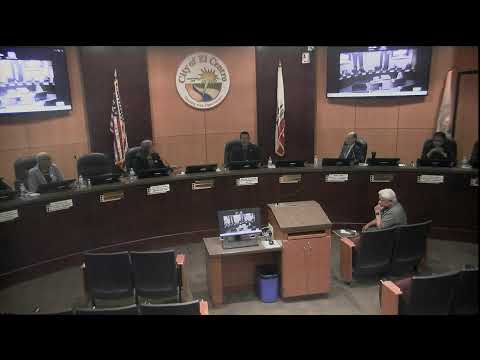
At Monday’s meeting, multiple residents told the El Centro City Council they want an immediate pause on hyperscale AI data-center projects until safety, infrastructure and environmental questions are resolved. Kelly Jordan, a resident, urged the council to “adopt a temporary moratorium on AI data center development until critical public safety questions surrounding battery energy storage systems … have been fully addressed.”
Why it matters: speakers warned large battery energy-storage systems can undergo thermal runaway, generating extreme heat, toxic gases and fires that may burn for days and require specialized firefighting equipment, air-quality monitoring and millions of gallons of water. Jordan said local agencies have not publicly documented training, equipment inventories, mutual-aid arrangements or evacuation-zone planning for such incidents.
Supporters and local context: Jake Tyson, who said he was born and raised in El Centro, backed a pause to allow cities and the county to coordinate emergency planning and land-use rules, noting several nearby jurisdictions are considering or have passed moratoriums. Gina Bristster Snow described the data-center controversy as “regional,” citing lawsuits, environmental-review questions and concerns about water and power sharing across the Imperial Valley. Sky Answorth, a community organizer, supported a moratorium but cautioned the council about drafting language that could invite litigation and urged union and legal input.
City response and next steps: council members listened and asked questions but did not vote on a moratorium during tonight’s meeting. In later council discussion members referenced county activity and recommended staff examine county guidance and consider whether model guidelines or a letter to the board of supervisors are warranted. No formal referral, ordinance or urgency resolution appeared in the meeting record.
What was not resolved: public commenters asked for specifics — whether evacuation zones exist, whether regional responders have specialized equipment and whether mutual-aid protocols have been tested — and council did not supply documentary answers at the meeting. Those questions remain outstanding in the public record.
The meeting record shows this topic emerged during the public-comment period and was conveyed to the council for further consideration; the council’s next procedural step was not announced at the meeting.