Get Full Government Meeting Transcripts, Videos, & Alerts Forever!
Get email alerts on the Historic Preservation topic
No spam. Unsubscribe anytime.
Commission gives two‑year window for community to pursue saving Sunset Ellis drive‑in; no county funds to be used
Summary
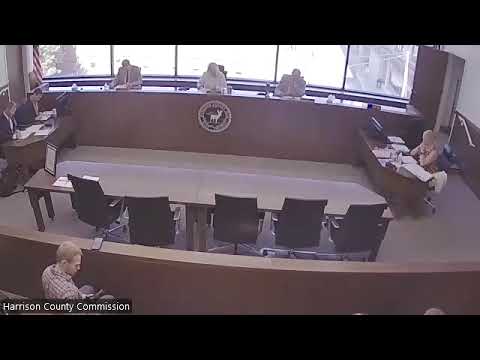
The Harrison County Commission debated demolition and preservation options for the structurally damaged Sunset Ellis drive‑in screen and approved a motion to permit a two‑year, community‑led study and fundraising window while prohibiting county capital to rehabilitate the structure.
The Harrison County Commission on June 3 debated whether to demolish a structurally damaged movie screen at the Sunset Ellis drive‑in or give the community time to attempt a privately funded repair.
Planning Director Charlotte Schaefer told the commission staff had sought property cleanup and inspections but that the screen is structurally damaged and sits adjacent to Route 19, raising safety concerns. She reported the property owner has begun some cleanup after prolonged outreach.
The commission considered two competing approaches: an administrator authorization to proceed with demolition immediately and a proposal to commission an expanded engineering study and allow a community or grant-funded effort to pursue saving the screen. Several commissioners cited the screen’s uniqueness and potential tourism or museum uses; others emphasized the public‑safety risk of a structurally unsound screen near a busy road.
Commissioner David (title recorded in the meeting transcript as speaking for commissioners) urged caution and proposed a time-limited window for community fundraising and a structural assessment, with a strict caveat that county funds not be used for rehabilitation. Commissioners discussed study cost caps and whether to allow one or two years for fundraising and grants.
After debate, the commission approved a motion to allow up to two years for community fundraising and an expanded engineering study, to require a return to the commission if the community effort fails, and to prohibit the use of county funds for restoration. The motion also directed staff to seek permission to conduct interior inspections and to cap the initial engineering review funding (the clerk recorded a $15,000 cap discussed during the meeting). The commission approved the motion by voice vote.
The commission also received a late Zoom comment from a resident who said they had visited the drive‑in in the past year and urged preservation; the comment was recorded after the public‑comment period had passed.
Next steps: staff will seek permission to access the structure for a formal engineering evaluation, document any safety hazards that would require immediate action, and report back to the commission if the community‑funded efforts do not produce a plan to save the screen.