Get Full Government Meeting Transcripts, Videos, & Alerts Forever!
Get email alerts on the Reentry Workforce Development topic
No spam. Unsubscribe anytime.
Utah County Jail trains inmates in commercial food skills, citing permits to aid reentry
Summary
A staff member at the Utah County Jail described a kitchen training program that helps inmates earn food handlers permits and practical job skills; staff credited county commission funding and said certifications can help people apply for work the day they are released.
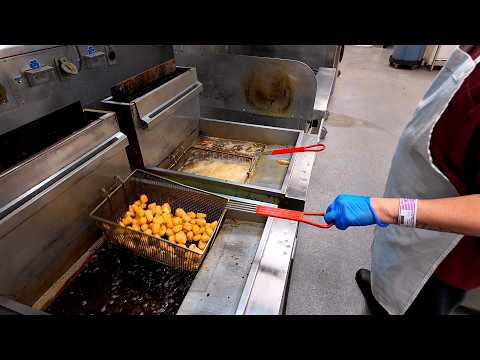
A staff member at the Utah County Jail said the facility’s kitchen runs a training program that teaches inmates commercial food-service skills and helps them obtain food handlers permits.
“We started the food handlers permit program last year. Last month we had four inmates get their food handlers permit. I know the month before that we had another four,” the staff member said, describing recent certifications. The jail also prepares meals for the facility, staff and the local Meals on Wheels program.
Program leaders said the curriculum covers food safety and equipment safety and provides hands-on experience in a commercial kitchen. “We work on food safety, equipment safety. We work on teaching them work ethic, accountability, responsibility,” the staff member said, adding that the training aims to build job skills and self-confidence before release.
Staff framed the permits as a practical reentry tool. According to the presentation, an inmate who leaves custody with a food handlers permit can use it when applying for food-service jobs immediately after release: “when they got that food handlers permit in their pocket, and they can go apply for a job the day that they get out of here… it can be a definite benefit.”
The staff member thanked the Utah County Commission for funding the program and singled out Commissioner Beltran for helping get the initiative started. No formal vote or additional board action was recorded in the transcript.
Officials said the kitchen aims to increase employability and reduce the risk that people return to previous criminal behavior by providing credentialing and on-the-job experience. The staff member characterized the effort as part skills training and part dignity-preserving practice: “we honestly believe that well-fed inmates and well-respected inmates are well-behaved inmates. They’re people, right? And they deserve to be treated with dignity and respect.”
The presentation did not include specific follow-up steps, metrics for recidivism reduction, or a detailed funding breakdown beyond the staff member’s acknowledgement of county commission support. Staff reported the program began last year and cited eight recent certifications over two months; other program scope and outcome measures were not specified.