Get Full Government Meeting Transcripts, Videos, & Alerts Forever!
Get email alerts on the Special Education topic
No spam. Unsubscribe anytime.
SEPTO urges Guilford BOE to fund direct special-education staff rather than new administrative role
Summary
Parents and SEPTO representatives told the Guilford Board at a public budget forum that proposed budget cuts omit key direct‑service positions — speech-language pathologist, paraprofessional stipends, BCBA and a full‑time elementary occupational therapist — and said an added special-education coordinator must demonstrably improve services.
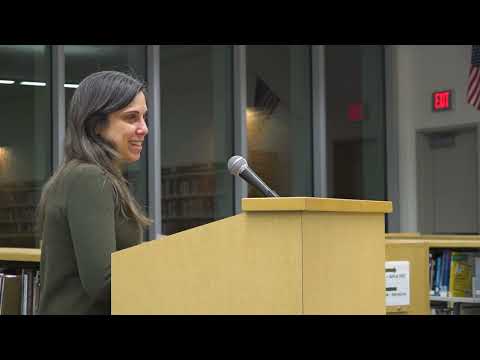
Michael Faulner, speaking for the Special Education Parent Teacher Organization (SEPTO), and Cindy Wilner, SEPTO representative, told the Guilford Board of Education at a Jan. 27 public forum that the draft budget omits several direct‑service special‑education positions families and staff have requested. Faulner said parents were disappointed the proposed plan did not include an elementary speech‑language pathologist, additional paraprofessional stipends for students with the most significant needs, another BCBA, targeted incentives for direct‑service providers, and a full‑time elementary occupational therapist.
"These requests are grounded in real and ongoing service gaps that families and educators continue to experience," Faulner said during the forum. He and Wilner asked the board to prioritize positions that directly affect students rather than administrative additions.
Wilner said SEPTO supports measures that improve special‑education implementation but that parents worry a proposed elementary special‑education coordinator could add administrative overhead without relieving frontline service gaps. She told the board that rising volumes of PPT (planning and placement team) meetings and casework at the elementary level have produced an "unsustainable workload" and risk procedural noncompliance under federal special‑education law if direct supports are not strengthened.
Wilner outlined conditions for SEPTO’s support if the coordinator position is funded: the role should produce measurable improvements in communication between families and service teams, better collaboration and morale among frontline staff, and greater consistency in how services are implemented across elementary schools. She said the parent group would continue working with district leadership to ensure staffing decisions translate into stronger systems and better outcomes for students.
District leaders acknowledged the financial constraints the town and schools face and said they would include the community’s input as they prepare recommendations ahead of the board’s Feb. 2 special budget meeting. The administration also noted that some special‑education costs are shifting between contracted services and in‑district tuition lines; keeping students in district can sometimes lower overall outplacement costs while requiring sufficient in‑district supports.
The board did not take action on staffing at the Jan. 27 forum; administrators said they will refine proposals and return with specifics at upcoming meetings. SEPTO offered a list of signees to accompany its statement.