Get Full Government Meeting Transcripts, Videos, & Alerts Forever!
Get email alerts on the Local Budget topic
No spam. Unsubscribe anytime.
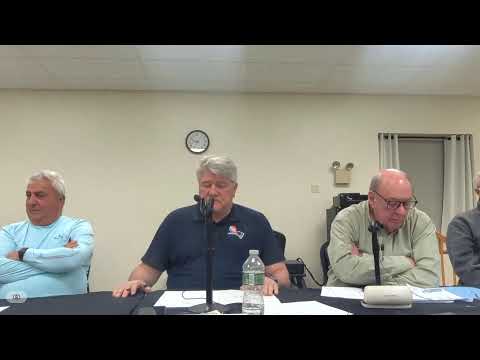
Board of Finance trims budget $100,000 after town rejects proposed 2026–27 spending plan
Summary
After voters rejected the June 2 budget referendum (813 yes, 1,103 no), the Stafford Springs Board of Finance debated options including delay, restoring funds, and modest cuts. The board approved $100,000 in reductions and asked the first selectman to set the next referendum date.
Voters rejected the town's proposed $48,271,028 budget in a June 2 referendum, 813 to 1,103, leaving the Board of Finance to decide next steps at its May 26 meeting.
The board opened its discussion by laying out the procedural choices: hold another referendum quickly, instruct the Board of Selectmen on a mill rate so tax bills can be prepared, or make targeted cuts to produce a smaller proposal. The chair reported the referendum results and confirmed that, because the budget did not pass, the appropriation item would not be acted on.
Superintendent Sugarman, speaking for the school district, warned of immediate operational impacts if a budget is not set for July 1. “It is almost more detrimental to us as a district not having a budget at this point in June,” Sugarman said, noting recall notices had already gone to nearly 30 non‑tenured staff and that delays risked higher unemployment claims and unfilled positions. He said program reductions could include elimination of pre‑K, cuts to middle‑school athletics and reductions in director-level staff.
Board members debated whether a short delay and additional outreach could change voter behavior or whether the board should act now to provide schools and town departments certainty. One board member urged a brief pause to try to increase turnout; others said the fiscal information available would not change quickly and that departments needed clarity to plan for the year ahead.
Finance staff clarified timing constraints: tax bill production requires final numbers for mailing by June 16, and the earliest legally feasible date noted for another referendum in the transcript was June 22. Staff also confirmed an additional state allocation intended for instruction, described in the meeting as $382,060, which increases education aid estimates but does not change minimum budget requirement (MBR) calculations.
After discussing a range of alternatives — including a failed proposal to restore approximately $310,963 by raising the mill rate — the board moved and passed a $100,000 reduction to the overall budget. The adopted adjustment was apportioned as $2,000 from the library, $64,000 from the Board of Education and $34,000 from the first selectman's (town) budget. The board recorded the resulting mill rate as 25.59 and voted 4–2 to approve the cuts. The board left it to the first selectman to set the date for the next referendum.
The board also noted the cost of running repeated referendums (roughly $3,000–$3,500 each, per discussion) and the practical limits of repeatedly sending the same measure to voters without making adjustments. The Board of Finance scheduled its next meeting for June 25, subject to change if a referendum is set for June 22.