Get Full Government Meeting Transcripts, Videos, & Alerts Forever!
Get email alerts on the Land Use topic
No spam. Unsubscribe anytime.
Swansea trustees approve temporary RV permits in manufactured-home park after safety debate
Summary
After a lengthy debate about flood risk, safety standards and tax implications, the Swansea Board of Trustees approved a special-use permit allowing recreational vehicles to occupy certain manufactured-home park lots on temporary leases, with trustees and the applicant emphasizing short-term stays for traveling workers.
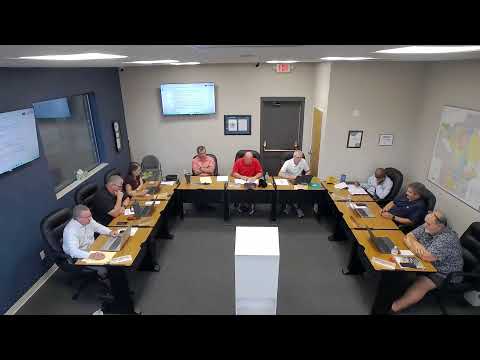
The Swansea Board of Trustees on June 1 approved a special-use permit allowing recreational vehicles (RVs) to occupy specified manufactured-home park lots for temporary leases, a move supporters said would provide short-term housing for traveling nurses and military personnel.
Trustees raised safety and fiscal questions before the vote. One trustee warned that RVs are built to different standards than HUD-certified mobile homes and expressed concern about placing vehicle-based dwellings on known floodplain lots. “Mobile homes have to meet HUD standards and be battened down,” the trustee said during discussion, adding that RVs “are built to completely different standards.” Another trustee questioned the tax implications, noting that RVs generally produce less property tax revenue than manufactured homes.
Proponents and the applicant said the change would be temporary and practical. The applicant explained the intent is to market the spaces for short-term, fixed-duration stays (typically three to six months, sometimes up to a year for special assignments) and that tenants would undergo background and credit checks similar to existing rules. “We’re filling a need — visiting nurses and personnel from Scott Air Force Base sometimes need housing for six to eight months,” the applicant said.
Trustees asked about safeguards and lease terms; staff said leases would generally be limited (commonly three to six months, with some up to a year), residents would remain subject to background checks, and units would remain mobile so they could be moved in the event of flooding. After discussion, the motion to accept the ordinance passed; the board recorded one abstention.
What happens next: the ordinance will be implemented under the terms described in the permit and village zoning process; staff said the zoning board had previously reviewed the request and recommended conditions for temporary occupancy.
Why it matters: the vote balances local housing demand for temporary workers against long-term concerns about neighborhood character, flood risk and municipal tax revenues. The decision also illustrates how small communities weigh flexible housing solutions against infrastructure and regulatory constraints.