Get Full Government Meeting Transcripts, Videos, & Alerts Forever!
Get email alerts on the City Budget topic
No spam. Unsubscribe anytime.
Kingston presents balanced FY26–27 budget with small pay raises, proposed sanitation and utility rate increases
Summary
City staff presented a balanced FY26–27 budget with no property-tax increase, a 3% cost-of-living raise for full-time employees and a $1,200 Christmas bonus. Staff proposed raising sanitation from $11 to $12.40–$12.50 monthly and a 5% water/sewer rate to cover rising costs and depreciation.
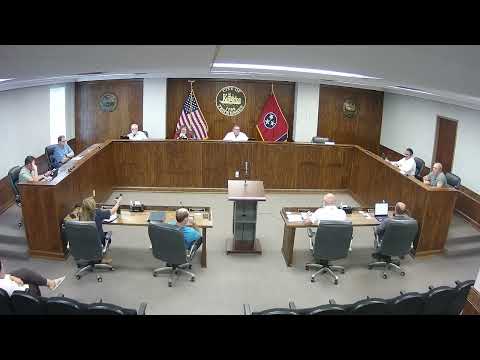
City staff presented a balanced FY26–27 budget to the Kingston City Council during a work session, highlighting no proposed property-tax increase while including a 3% cost-of-living raise for full-time employees and a $1,200 Christmas bonus. Michelle, a city staff member who led the presentation, said the budget includes a health-insurance premium estimate of about 10.5% and ‘‘we do not have a tax increase. We have a 3% cost of living raise for all full-time employees.’’
The budget narrative stressed revenue growth and cost pressures. David, a city staff member presenting revenue projections, noted local sales tax has grown to about $2.2 million and state sales-tax receipts are estimated at $785,000, and reported the city’s fund balance was $3.2 million as of June 30, 2025. Nonetheless, officials flagged rising operating costs: staff estimated an additional $26,000 per year for water-treatment chemicals and said depreciation now accounts for ‘‘over 10%’’ of the utility budget, a change that increases long‑term operating expense.
Sanitation and utility rate proposals were the most notable potential changes. Michelle said the sanitation fund—recently separated from the general fund—has been operating at a loss because vendor charges and fuel surcharges now average about $11.91 per household while the city charges $11. Staff proposed raising the monthly residential sanitation rate to $12.40 (staff also discussed a rounded $12.50) so the fund would break even rather than drawing down its roughly $160,000 balance. Council members asked procedural questions about whether the change must be made by separate ordinance; staff said a rate-change ordinance or addition to the budget pages will be required.
On utilities, officials proposed a 5% increase in water and sewer rates (up from the previously recommended 3% escalator) to offset inflation, materials cost increases, and a growing depreciation burden tied to recent capital projects. Kevin, a utilities staff member, explained the increase reflects higher costs for copper, brass, meters and chemicals and that the difference between a 3% and 5% adjustment is modest on customer bills. Staff noted falling outside-water sales from two nearby mobile-home parks that closed recently, which tightened revenue forecasts.
Council did not take formal votes in the work session; staff said contested items and ordinances (including the sanitation-rate change and budget ordinances) will be on the Tuesday council agenda and detailed figures will be finalized before first and second readings.