Get Full Government Meeting Transcripts, Videos, & Alerts Forever!
Get email alerts on the Cannabis Odor Zoning topic
No spam. Unsubscribe anytime.
Resident says cannabis odor and zoning gaps are making homes unlivable in Royalton Township
Summary
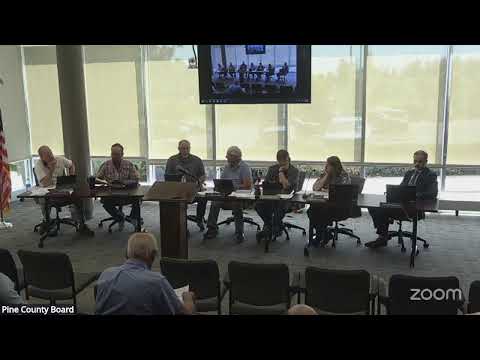
At Pine County’s public forum, a Royalton Township resident urged the board to act after reporting weeks of strong cannabis odor that she said worsened her asthma; other township speakers raised procedural questions about how county cannabis permits interact with township interim‑use and zoning rules.
Denise Weiss, a Royalton Township resident, told the Pine County Board she has been living with a strong cannabis odor for about a month and submitted a formal complaint asking the county to investigate. “If you do the dates and the percentages, 51.61% of the time we’ve been dealing with [the] odor,” she said, adding that the smell has penetrated her home, forced higher air‑conditioning use and caused visitors to leave.
Several other public commenters who identified themselves as Royalton Township residents and a township representative raised a related procedural concern: they said township zoning processes — including interim or conditional‑use permits, environmental reviews and neighbor interviews — were bypassed during county cannabis permitting. The township representative read a written complaint asserting that, in the process of approving a cannabis business, township zoning reviews were skipped and that the county appears to be handling matters the townships expect to review.
John Deg Grrey of Royalton Township told the board he was confused by a letter he received that appeared to limit the township’s ability to issue interim‑use permits and questioned how a business could be expanding (reportedly proposing three new buildings) while not complying with township zoning. “You can’t take our ordinance and make it less when you bring it to the county,” he said.
The public commenters asked the board to clarify which rules apply where and to ensure townships retain the ability to consider site suitability and neighborhood input before a permit is issued.
Why it matters: Township officials and residents told the board the current mix of county and township roles on cannabis permitting has left neighbors uncertain about who enforces land‑use requirements. The dispute raises potential health, nuisance and procedural issues for both nearby residents and businesses moving into rural townships.
What the board heard: Speakers requested inspections and clearer application of conditional‑use practices, cited adverse health effects (asthma exacerbation) and urged the county to reconcile any procedural gaps so that townships and the county agree on who handles zoning, business permits and building approvals.
Next steps: Staff received copies of the written complaint and public comments; the board did not adopt an immediate policy change on the floor but agreed to accept the materials for follow‑up. The board’s subsequent agenda items address zoning and a proposed joint meeting with the county zoning board, which may provide an opportunity to clarify roles.
Attribution: Quotations and attributions in this story come directly from public comments recorded at the Pine County Board meeting. If a speaker’s name was not supplied on the record, the story attributes the remarks as coming from a Royalton Township representative or township resident.