Get Full Government Meeting Transcripts, Videos, & Alerts Forever!
Get email alerts on the Municipal Budget topic
No spam. Unsubscribe anytime.
Murray council tolerates rising personnel costs; budget hearings expose tensions over utility transfers and a proposed 6.9% city levy increase
Summary
At public hearings on June 2 the council reviewed a tentative FY2026–27 budget that assumes a 6.92% increase above the city's certified tax levy (approximately $863,790) to fund police and fire pay‑range adjustments, overtime and one new officer; staff also defended 8% transfers from enterprise funds to the general fund. Council set further hearings and will vote on June 16.
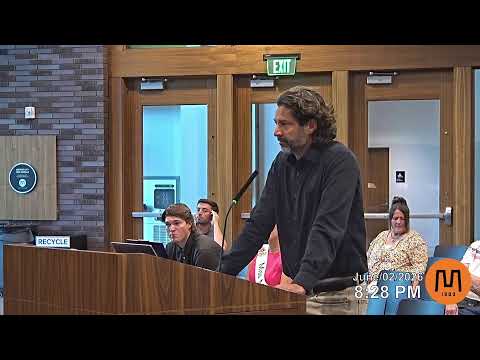
The Murray City Council spent much of its June 2 meeting on budget matters, hearing staff presentations and extended public comment on a tentative FY2026–27 budget that assumes an increase in the city’s property‑tax levy and continued transfers from utility enterprise funds.
Finance director Brenda Moore told the council the tentative budget includes a proposed property‑tax increase above the certified rate that would generate an estimated $863,790 (a 6.92% increase on the city’s certified levy, using 2025 base figures). Moore said the additional revenue would pay for an additional police officer, overtime in police and fire for major investigations and incidents, pay‑range (market) adjustments for police officers and firefighters, and vehicle and fire‑truck maintenance.
“The proposed amount is a 6.92% increase in the city certified tax levy,” Moore said during the required statutory statement about exceeding the certified rate, adding that the final number could change after the county auditor issues growth figures in mid‑June. Moore provided an example worksheet showing an estimated $32.19 annual increase for a primary residence with an assessed value of $629,000 attributable to the city share.
Enterprise‑fund transfers and the fiscal tradeoffs: Many public comments focused on the city’s long‑standing practice of transferring a portion of enterprise revenues (water, wastewater and power) to the general fund — a transfer Moore said is calculated as 8% of budgeted operating revenue and that, together with administrative allocations, contributes about $5.46 million toward general‑fund services. Residents asked whether those transfers effectively shift utility charges into general spending and whether large step‑plan increases for city employees are appropriate while fixed‑income residents face higher property and utility bills.
Moore and council members defended the transfers as a policy choice that spreads the cost of municipal services to users who benefit from city infrastructure but acknowledged the optics are politically sensitive. “If we didn’t do the transfers, we would still need the same number of police officers and firefighters,” Moore said, noting staff analyses that stopping transfers would require substantial property‑tax increases to maintain current service levels.
Compensation, step plan and market adjustments: Moore reviewed the city’s compensation structure: a step plan (employees progress through steps based on tenure and satisfactory performance), a 2% cost‑of‑living adjustment for all employees in the proposed budget and targeted market adjustments for a small number of positions (including the municipal judge and an assistant power director). Moore said most employees receive a step increase at their anniversary date and that the step program is designed to address compression and retention.
Citizens and some council members raised concerns that combined step and COLA increases — which can be sizable for lower‑paid staff early in the step ladder — may be difficult to sustain during tighter revenue years. One resident asked whether cities in the region are following similar compensation practices; staff said many do, and that police and fire market adjustments reflect regional competition.
Votes and process: The council held multiple public hearings required by state law (including the statutorily mandated notice under Utah Code 59‑2‑919(4)(c)) and indicated the tentative budget will proceed to further council consideration. The council will hold additional comment opportunities and is scheduled to vote on budget adoption at a subsequent meeting (June 16). Several related ordinances and resolutions were also approved at the meeting (see “Votes at a glance”).
Context and next steps: Moore warned that the tentative property‑tax figure depends on county growth numbers expected in mid‑June; staff said a modest growth adjustment could reduce the percentage shown. Council members invited citizens to attend Truth‑in‑Taxation hearings, review budget charts posted online, and submit questions by phone or email ahead of the adoption vote.