Get Full Government Meeting Transcripts, Videos, & Alerts Forever!
Get email alerts on the State Implementation topic
No spam. Unsubscribe anytime.
Four states cite early wins and persistent gaps as ACL-funded projects pilot National Strategy implementation
Summary
California, Maryland, Massachusetts and Wisconsin described grant-funded pilots to expand caregiver trainings, create navigation platforms, test peer respite models and engage employers; panelists said workforce shortages, system fragmentation and funding constraints remain key barriers.
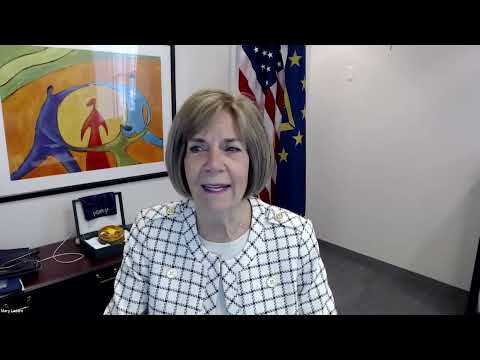
Mary Lazare, principal deputy administrator at the Administration for Community Living, opened the joint RAISE and Supporting Grandparents Raising Grandchildren councils meeting and framed the day around three priorities: state implementation of the 2022 National Strategy to Support Family Caregivers, kinship care, and care coordination.
At a panel titled “A View from the States,” officials from California, Maryland, Massachusetts and Wisconsin described results from two-year ACL implementation grants intended to translate the Strategy into scalable state practices. Sarah Steenhausen, deputy director for policy research and engagement at the California Department of Aging, said California’s CalCARES initiative is building an inventory of trainings and a statewide awareness campaign and has forged a memorandum of understanding with the community college chancellor’s office to make caregiver training widely available. “We view community colleges as a place to house free trainings and potentially provide credit for prior caregiver experience,” Steenhausen said.
Maryland’s Family Caregiver Program Manager Molly Wisniewski said the state is prioritizing a centralized resource platform, cross-agency alignment through its Maryland Commission on Caregiving, and data-driven planning using BRFSS and statewide focus groups. “Our goal is to make caregiving easier to navigate so families can find help faster,” Wisniewski said.
Molly Evans of the Massachusetts Executive Office of Aging described mini-grants to test economic-security interventions for caregivers and a statewide resource guide. In Wisconsin, Lynn Gall said the Wisconsin Family and Caregiver Support Alliance — previously informal and grant-funded through the ACL award — is recruiting employers and improving outreach, including efforts framed as workplace wellness to engage businesses.
Panelists emphasized shared challenges. States reported widespread system fragmentation that leaves caregivers uncertain where to go for services; Massachusetts cited a cross-agency survey showing >50% of participating agencies identified fragmented systems as a top challenge. Panelists and the discussant, Wendy Fox-Grage of the National Academy for State Health Policy, also stressed that the direct care workforce shortage intensifies family caregiver burden and that sustainable funding and clear return-on-investment messages are needed to persuade state and local leaders to invest.
The session closed with practical next steps: pilots and partnerships will be evaluated for scalability, a second cohort of five states was announced and a third cohort planned for FY2026 funding. Panelists said ACL-funded projects are producing replicable tools — from peer-based respite pilots to technology-enabled navigation — but that long-term impact will depend on sustained financing and cross-sector adoption.
The councils will reconvene; the ACL plans to use the states’ implementation lessons to inform the 2026 update of the National Strategy to Support Family Caregivers.