Get Full Government Meeting Transcripts, Videos, & Alerts Forever!
Get email alerts on the Zoning Data Centers topic
No spam. Unsubscribe anytime.
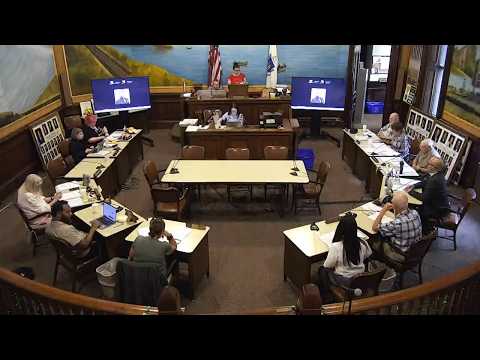
Holyoke council sends proposed citywide ban on data centers back to ordinance committee after heated debate
Summary
The council considered an ordinance to define and ban data centers across Holyoke. After hours of debate about definitions, process, equity and existing facilities, members voted to send the proposal back to the Ordinance Committee for additional study, public input and possible redrafting.
An ordinance proposal to add a definition of “data center” to the Holyoke zoning code and make the use not allowable in any zoning district touched off an extensive and often contentious debate at the June 2 meeting.
The Ordinance Committee had advanced a legal form that would define a data center as “a building or series of buildings that houses and supports high-performance servers, storage systems, networking equipment and related computing infrastructure…necessary for storing, processing and distributing data and applications.” On a 4–1 committee vote the measure had been reported out with a recommendation to prohibit new data centers in all city zoning districts.
Supporters of the ban — including several councilors who cited local equity and environmental concerns — argued that unregulated data-center development could strain local energy and water supplies, generate persistent noise from HVAC and cooling systems, and concentrate industrial impacts in the city’s most economically vulnerable neighborhoods. “We need to have something in place that will protect us,” Councilor Panich (Panage/Panic) said during the floor debate.
Opponents and several legal and industry observers urged caution. They said a total ban risks unintended consequences and could outlaw small or beneficial facilities; others suggested a temporary moratorium or a special-permit framework to test criteria, allow careful environmental review, and protect existing nonconforming facilities. Councilors also raised procedural questions about reopening closed hearings and the need for adequate public notice before accepting new testimony.
After more than an hour of discussion and multiple motions, the council voted to send the proposal back to the Ordinance Committee for additional work, including the possibility of reopening the public hearing, clarifying definitions and developing a permitting path or moratorium tailored to the city’s energy, water and neighborhood-equity concerns.
Next steps: Ordinance will be reconsidered by committee; staff and legal counsel advised the council that reopening a hearing and any re-noticing must respect statutory posting timelines.