Get Full Government Meeting Transcripts, Videos, & Alerts Forever!
Get email alerts on the Energy Aggregation topic
No spam. Unsubscribe anytime.
Council hears plan to expand countywide energy aggregation; resolutions 56 and 57 on second reading
Summary
Councilors reviewed plans from broker Palmer Energy to expand natural gas and electricity aggregation across Knox County to increase buying power; the presentation outlined the RFP process, seeding authority to the county, and estimated per-meter savings, with further action tied to upcoming resolutions and ballot steps for some jurisdictions.
A presentation to the Mount Vernon City Council committee outlined a plan to expand countywide aggregation of natural gas and electricity to increase purchasing power and lower residents’ utility costs.
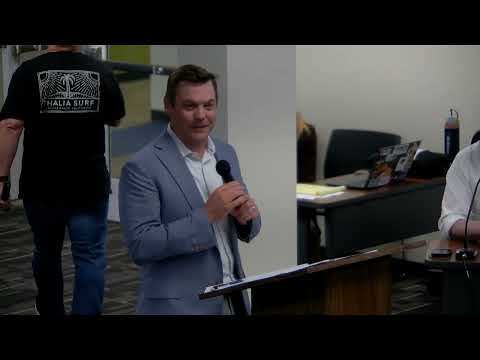
Bob Snavely of Palmer Energy, the city’s broker, told council members the model builds on a recent partnership with Fredericktown and on work by the Ohio Municipal League and the County Commissioners Association of Ohio. Snavely said larger customer pools produce stronger buying power and cited an estimated savings figure for commercial accounts: “$353 is estimated savings per commercial meter,” and noted residential savings would differ because the price-to-compare varies.
The process would require each participating municipality to “seed authority” to the county so the county could run an RFP and sign supplier contracts on participating municipalities’ behalf. Snavely said cities and villages are typically invited to review RFPs and that the county-led approach gives smaller jurisdictions access to better contract timing and pricing than they could achieve alone. “We have to go through the RFP process again,” Snavely said, explaining last year’s short, one-year timing and why officials are trying to lock the schedule earlier this cycle.
Councilors asked about downsides and retained control. Snavely acknowledged municipalities cede some administrative authority to the county but said the model includes city and village representation in the procurement steps; he also described outreach to electric cooperatives after prior countywide ballot defeats and said co-ops have tended to vote against aggregation in past countywide referenda.
The committee was told two resolutions (Nos. 56 and 57) related to natural gas and electrical aggregation are on second reading; councilors discussed scheduling and a short committee follow-up. If villages or townships prefer, Snavely said, they can put the question on their own ballots or join through seeding the county.