Get Full Government Meeting Transcripts, Videos, & Alerts Forever!
Get email alerts on the Police Policy topic
No spam. Unsubscribe anytime.
Sweetwater approves first reading of ordinance letting officers decline name/badge requests when not on a call
Summary
The City Commission approved on first reading an ordinance clarifying that officers who are not on a call for service may decline to give their name and badge number while required to activate body cameras; the vote was unanimous and sponsors said the measure aims to protect officers from confrontational "auditors."
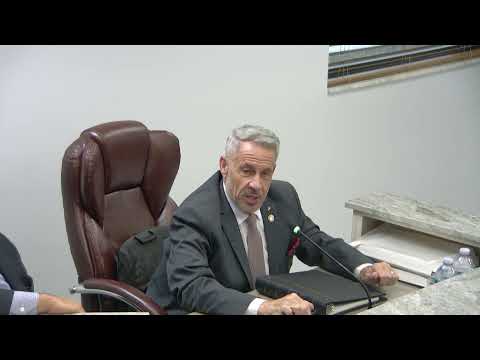
The City of Sweetwater City Commission on June 1 approved on first reading an ordinance clarifying when police officers must provide their name and badge number.
The measure, introduced at the meeting as a first reading, says that when an officer is not responding to a call for service they may decline to provide name and badge information but must activate their body-worn camera to document the encounter. Supporters framed the ordinance as a response to confrontational “first amendment auditors” who approach officers in public and provoke incidents that can escalate.
Why it matters: sponsors said the ordinance balances officer safety and public accountability. Proponents told the commission that name and badge disclosures remain available for formal complaints and that most officers display a name and badge on their uniform. The sponsor told colleagues the policy is intended to permit officers to say, “Per departmental policies, I am not on a call for service; I do not have to give you my name and badge number. Please leave me alone,” while turning on body-camera recording.
Legal review and limits: commissioners asked city legal staff whether the local measure conflicts with Florida law or FOIA obligations. The city attorney and the sponsor said they would review relevant statutes and prior local measures (including an example in Tallahassee) and emphasized the ordinance is written to avoid lowering state legal protections. The commission discussed exceptions for undercover officers and underscored that disclosures remain legally significant when an officer’s conduct creates a reasonable belief that a person is being detained or subjected to enforcement actions.
Next step: the ordinance passed first reading by roll call and now moves to the second-reading process and policy drafting. Supporters said the second-reading period provides staff time to refine implementing policy, clarify undercover exceptions, and ensure consistency with state law.
Public comment: no members of the public spoke during the item at the first-reading public hearing.
Outcome: first reading approved unanimously; no effective date was set at first reading.