Get Full Government Meeting Transcripts, Videos, & Alerts Forever!
Get email alerts on the Tax Policy topic
No spam. Unsubscribe anytime.
Swarthmore council authorizes RFP for earned-income-tax consultant amid public opposition
Summary
The borough authorized an RFP seeking independent analysis of a possible earned-income tax (EIT) after public comment opposed hiring a consultant and council members emphasized the need for independent fiscal analysis and a public presentation; staff said implementation would likely be no earlier than Jan. 1, 2027.
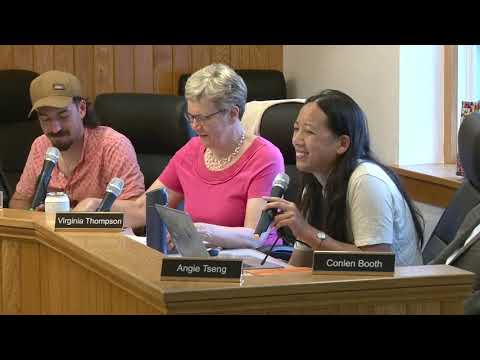
Swarthmore Borough Council voted June 1 to authorize a request for proposals for an independent consultant to analyze an earned-income tax (EIT) and its budgetary effects.
Manager Uncle and council members presented examples from nearby municipalities and described how EIT might allow the borough to shift some revenue from property taxes to income-based levies. The manager said the borough would seek proposals from three experienced firms and that, if the borough chose to adopt EIT, the earliest practical effective date would likely be Jan. 1, 2027.
At the start of the public comment period, Robert Small urged the council to reject an RFP to hire an EIT consultant, calling the hire “political cover” and warning that an EIT would be regressive and fall “squarely on the shoulders of ordinary working residents,” while exempting households with investment income and some wage-tax payers. “Residents deserve restraint, transparency, and serious budget prioritization before any discussion of new revenue,” Small said.
Council members who supported issuing the RFP said an independent analysis would provide an objective estimate of revenue potential and distributional effects and recommended a public forum after the consultant’s report. Cindy, speaking on finance, noted the borough’s current spending profile (roughly mid-40% of the year’s budget spent so far) and urged that any revenue proposal be grounded in clear fiscal needs. David urged staff to include presentations to the public so residents can understand trade-offs.
The motion to issue the RFP carried on a council vote. The council did not adopt EIT at the meeting; the RFP will return analysis and options for later public discussion and a formal decision.
What’s next: Staff will issue the RFP, collect proposals, and present the consultant’s findings to council and the public; any decision to adopt an EIT would be a separate action following public hearings.