Get Full Government Meeting Transcripts, Videos, & Alerts Forever!
Get email alerts on the Industrial Infrastructure topic
No spam. Unsubscribe anytime.
Planning commission approves TransMontaigne Richmond terminal modernization, finds environmental impacts mitigated
Summary
The commission approved a use permit amendment and design review for TransMontaigne's Richmond terminal to modernize truck loading, extend on‑site rail storage and accommodate increased renewable feedstock throughput; an IS/MND with mitigation measures was adopted and industry speakers emphasized job and supply‑chain benefits.
The Richmond Planning Commission approved a permit amendment and design review (PLN23‑306) for upgrades at the TransMontaigne Richmond terminal that would modernize truck loading canopies, extend on‑site rail track to accommodate more rail cars, relocate an underground stormwater tank above grade for maintenance access and support higher throughput of renewable feedstocks and petroleum products.
Staff and the project's environmental consultant presented an initial study that concluded a mitigated negative declaration (IS/MND) was appropriate. The IS/MND identified potential impacts in air quality (construction dust and best practices), biological and tribal cultural resources, paleontological resources and geology; recommended mitigation measures and construction best management practices were included as conditions of approval. Staff said long‑term operational emissions would remain below Bay Area Air District thresholds.
Why it matters: The project increases terminal capacity and adds infrastructure meant to support renewable diesel, ethanol and other lower‑carbon feedstocks while maintaining long‑standing waterfront industrial operations. Staff and the applicant said the work modernizes aging site infrastructure and supports local employment.
Project details and impacts: The project would result in an estimated additional 98 truck trips per day, an increase of two ship calls per month and roughly three additional full‑time employees. Facilities would remain subject to extensive regional, state and federal oversight (Bay Area Air Quality Management District, regional water board, US Coast Guard, state agencies) and additional permits will be required. Staff recommended contributing to off‑site pedestrian and rail crossing improvements rather than building a sidewalk on a low‑use industrial frontage.
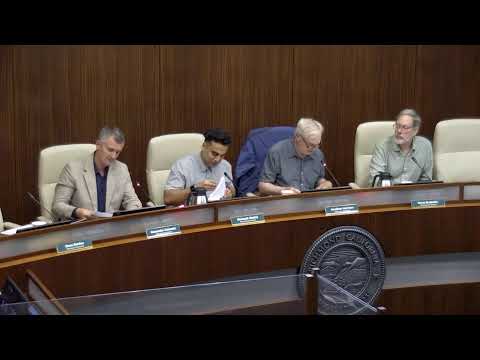
Public comment and commission decision: Dozens of terminal employees and representatives — including longtime workers and maritime service providers — spoke in favor, highlighting job creation, employee training and terminal safety culture. An industry maritime representative (Bane Brothers) supported the IS/MND and said modern terminals are needed for a cleaner fuels supply chain. No speakers registered in opposition. The commission adopted Resolution 26‑13 approving the use permit amendment and design review subject to mitigation and standard conditions. Roll call: Chair John Harrison — yes; Vice Chair Burbaker — yes; Commissioner Gulovitz — yes; Commissioner Shahid — yes (Secretary Timmons and Commissioner Bonitz absent).
Next steps: The applicant must complete regional and federal permit requirements, implement construction BMPs and monitor mitigation measures during construction. Staff will ensure required monitoring and permit coordination with agencies.