Get Full Government Meeting Transcripts, Videos, & Alerts Forever!
Get email alerts on the Budget Legislation topic
No spam. Unsubscribe anytime.
Solano County advocates warn HR1, state budget and federal changes could shift costs to counties
Summary
County staff and outside advocates told the Board that state and federal budget moves — notably proposals tied to HR1 and the state May revision — could shift health and other costs to counties; federal advocates flagged earmark progress for local projects and transportation/bridge funding opportunities.
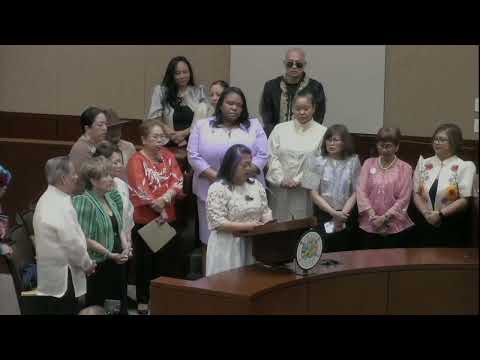
At its June 2 meeting, Solano County officials and outside legislative advocates outlined a dense slate of state and federal developments that county staff say could create significant fiscal and operational impacts.
County Legislative Advocate Karen Lang told supervisors the state is in "second house" deadline month, and that negotiations over the governor’s May revised budget, trailer bills and the HR1-related funding gap could leave counties responsible for medically indigent adults unless a state funding path is adopted. Lang said the Assembly’s "path" would fund emergency‑scope medical care for that population, which the county advocates view as a partial mitigation if federal subsidies don’t return.
"The financial risk to you is significant as far as if an enormous number of folks come back to you that have lost their insurance or cannot afford it anymore," Lang said, describing negotiations among the governor, the president pro tem and the speaker as the next step before final budget action in mid‑June.
On federal matters, Paragon Government Relations (Rachel Mackey and Hassan Cers) briefed the board on appropriations and earmark prospects. Mackey said Solano County has three community project funding requests under consideration in House and Senate appropriations committee processes, including a $772,000 line for an Office of Emergency Services mobile command center placed in a House bill and a $772,000 entry in an Interior/Environment measure for stormwater design work. Senator Padilla had requested $2.3 million for a First 5 community resource building, Mackey added.
Paragon also highlighted large transportation proposals in the House 'Build America 250 Act,' including significant increases to bridge formula funding and expansions to surface transportation block grants; advocates said county officials should track potential pilot changes (such as heavier truck allowances) that could increase local maintenance responsibilities for roads and bridges.
On disaster recovery, Paragon described a FEMA Review Council report that recommends a parametric approach to disaster declarations and faster, upfront payments to states; supervisors pressed advocates on whether reforms would fairly allocate funding to California counties.
Supervisors asked several follow‑up questions about defense and readiness at Travis Air Force Base and whether federal bridge dollars would help specific local needs such as a Highway 12/Rio Vista bridge; advocates said funding typically flows to states first and committed to follow up with additional details.
County staff and advocates urged supervisors to continue direct advocacy with state legislators during June budget negotiations and flagged deadlines for ballot measures and trailer bills that could alter local revenue or regulatory regimes.