Get Full Government Meeting Transcripts, Videos, & Alerts Forever!
Get email alerts on the Housing topic
No spam. Unsubscribe anytime.
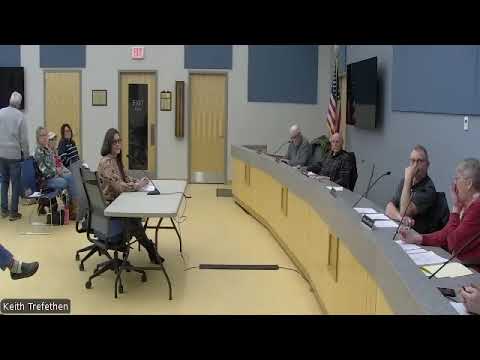
Arundel select board tables mobile‑home rent‑stabilization ordinance after heated debate
Summary
After hours of testimony and debate over whether to base allowable lot‑rent increases on CPI or market value, the Arundel Select Board voted to table a draft mobile‑home rent‑stabilization ordinance pending further revisions and input from a board member who was absent.
The Arundel Select Board on Feb. 24, 2026 tabled a draft mobile‑home rent‑stabilization ordinance after extended public testimony and debate over how to calculate allowable lot‑rent increases and how appeals would be handled.
Supporters of a stability measure said residents of local mobile‑home communities face steep lot‑rent hikes from corporate owners and urged the board to adopt a simple, predictable formula. “What we’re asking for is stabilization, not asking for control,” one resident told the board, arguing for a CPI‑plus‑one approach to slow rapid increases. Board member Dan said he preferred an approach tied strictly to the consumer price index, arguing it would be simpler to administer: “To me I think we'd be better off if we stay with CPI.”
Opponents and some board members raised legal and practical questions. Speakers asked how the ordinance would determine a ‘fair‑market’ lot rent for vacant lots, how the town would administer appeals, and whether the select board should be involved in what some described as private landlord–tenant transactions. The manager and members noted the state mediation framework already applies in some cases; residents said mediation results have been mixed and that bringing a clear local ordinance would give more predictable protections.
Board members also debated a provision for “greater rent increases” tied to capital improvements; under the draft, owners who petition for higher increases to pay for infrastructure improvements would file a petition for review by an appeals body. Several members said they were not yet satisfied with how the appeals process and eligibility would be defined.
After discussion, a motion to table further action until board member Chip could participate was moved, seconded and approved by voice vote. The board instructed staff to prepare a third draft of the ordinance for review — with clearer language on base‑rent calculations and appeals — and to request that residents and owners submit written documentation (rather than phone‑only offers) to the board. The draft is expected to be updated before the ordinance is placed on the town meeting warrant; board members said any final ordinance would be presented to voters at the annual town meeting.
Because the draft did not contain a final vote on an ordinance, no change in law occurred at the meeting. The board’s tabling action preserves additional opportunity for edits, further legal review and a future public hearing before any possible warrant article.