Get Full Government Meeting Transcripts, Videos, & Alerts Forever!
Get email alerts on the Water Fluoridation topic
No spam. Unsubscribe anytime.
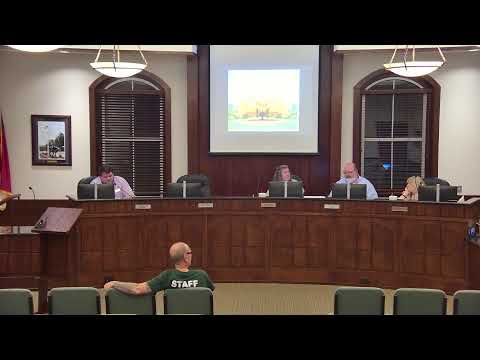
Wesley Chapel council adopts resolution opposing use of industrial byproducts for water fluoridation
Summary
After two public commenters urged the village to act, the council voted to adopt and forward a resolution mirroring North Carolina language that opposes adding industrial-waste byproducts to public drinking water; motion carried unanimously.
The Wesley Chapel Village Council on a unanimous vote agreed to adopt a resolution opposing the use of industrial byproducts as the agent for water fluoridation and to forward the consolidated language to state officials.
Two residents urged the council to act during the public-comment period. Harold Schumacher, a visitor from Florida who said he spoke for a resident in the village, argued municipal fluoridation uses industrial waste rather than pharmaceutical-grade compounds and cited court and research claims about health risks. “Proper disposal of hydrophilic acid is extremely expensive, so the vast majority is sold to municipalities instead,” Schumacher said, urging the council to support pending North Carolina and South Carolina legislative resolutions.
Maria Reed followed, saying additional treatment chemicals are added to inhibit corrosion and that residents lack a choice about ingesting those chemicals. “I personally would rather risk getting a cavity,” Reed said, “but I’m not given this choice.”
Council discussion focused on whether the village should mirror the North Carolina resolution language and how narrowly to draft the wording to target where the village’s drinking water originates. A council member moved to adopt the North Carolina resolution language, consolidate the items in the packet and forward the final resolution to state officials; another member seconded the motion and the council voted to approve it.
The chair said the resolution will be shared with the North Carolina House and other officials the council thinks might pay attention. The packet referenced North Carolina House language as the model; council minutes record the action as forwarding a consolidated resolution to North Carolina and South Carolina officials.
What happens next: Staff will have the resident attorney review the final draft before distribution, and the council will post distribution to its Sunshine list and share the resolution publicly.