Get Full Government Meeting Transcripts, Videos, & Alerts Forever!
Get email alerts on the School Budget topic
No spam. Unsubscribe anytime.
New Berlin board previews 2026-27 budget, warns of state-aid drop and rising costs
Summary
District administrators told the Board of Education the preliminary 2026-27 budget assumes increased enrollment and a $9.9 million rise in general-fund revenue but faces an estimated $2 million reduction in state aid that will shift more costs to local property taxpayers.
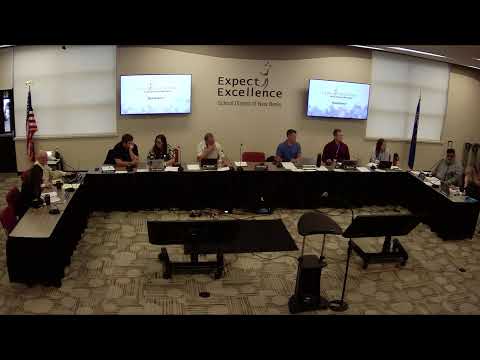
The School District of New Berlin presented a preliminary 2026-27 budget on June 8, saying the plan is designed to allow district operations to continue while the final budget is prepared in October.
Joe (district administration) and Patrick (district finance staff) told the board that enrollment and FTE are increasing — in part because of a new four‑year‑old kindergarten — which produces a projected $1.9 million revenue‑limit increase and contributes to a forecasted $9.9 million increase in general‑fund revenue.
The administrators cautioned, however, that the district expects a roughly $2 million reduction in state aid and that local property taxpayers will likely absorb much of that shortfall. "We are assuming $2,000,000 of real dollars lost in state aid, but, again, we recover that with local property taxes," Joe said. He added that state equalization aid formulas can shift costs to local taxpayers when state aid declines.
Why it matters: the board must set a preliminary budget to operate at the start of the fiscal year while final enrollment and state aid numbers are still being determined. The presentation noted an increase in staffing and benefits to match enrollment and a recently approved 2.63% base wage increase.
Administrators also described rising expenditures that will put pressure on the budget, especially health‑care costs and student transportation. Joe said health‑care increases have been among the largest the district has seen in the past decade. District leaders described a multi‑year debt plan tied to past construction and renovations: "For next year, we have $5,100,000 of debt that will be paid off," Joe said, with larger relief forecast in subsequent years.
Board members sought clarification about the drivers of the projected state‑aid decrease. Patrick explained the district moved $6 million from fund balance into capital maintenance; that accounting treatment can show as overspending in the year and affect state aid under the state's hold‑harmless provisions. "By spending that money all in one year, we're hoping to mitigate the number of years we have that 15% [hold‑harmless adjustment]," Patrick said.
The administration emphasized the numbers presented are preliminary and that changes in legislation, enrollment or other variables between now and October could alter the final budget. The board was not asked to take action on the budget at the meeting; administration said it will seek approval at a future meeting after more information is available.
The board plans further budget discussion during the regular calendar leading up to the October adoption; the administration flagged upcoming dates including the annual meeting and budget hearing on Sept. 29 and the final budget approval in October.