Get Full Government Meeting Transcripts, Videos, & Alerts Forever!
Get email alerts on the Connected Vehicles topic
No spam. Unsubscribe anytime.
Utah Department of Transportation equips Brigham City emergency vehicles with signal-priority technology to improve safety
Summary
After a recent ambulance crash, Brigham City worked with the Utah Department of Transportation on a pilot that equips emergency vehicles with connected-vehicle technology so they can communicate with traffic signals; UDOT said equipment takes about an hour or two and the system is interoperable statewide.
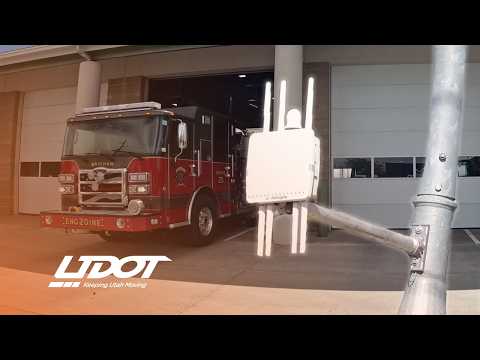
A pilot led by the Utah Department of Transportation is equipping Brigham City emergency vehicles with connected-vehicle signal-priority technology intended to reduce crash risk for responders, officials said.
A public safety responder said driving is the biggest on-the-job killer for firefighters and described the stresses of emergency responses: "Driving kills more firefighters every year than pretty much anything else," the responder said, noting crews travel frequently—often with lights and sirens—while also handling dispatch, patient care and navigation.
The responder said that "this past year" an ambulance responding to an emergency was involved in a motor-vehicle collision at an intersection, and that Brigham City reached out to UDOT to ask whether technology could help mitigate that risk.
A Utah Department of Transportation transportation-technology staff member described the system as part of the agency's work on connected vehicles that let vehicles communicate with each other and with infrastructure. "Connected vehicles, vehicles that communicate with each other or communicate with our infrastructure, our traffic signals and other things," the UDOT staff member said, giving the example that a snowplow can request a green signal to keep moving through an intersection.
UDOT staff said Brigham City's request was added to a larger corridor project already underway and that crews could add a few intersections and equip Brigham City vehicles as part of the deployment. They emphasized coordination with the local fire district so vehicles could be taken briefly out of service for installations. "It only takes about an hour or two to equip their vehicles with this technology," the UDOT staff member said.
UDOT staff also said the system is interoperable and designed to work statewide through a central system, meaning equipped emergency vehicles would be able to communicate with traffic signals outside Brigham City as well.
Officials framed the pilot as a safety measure intended to give better information to drivers, make snow-plowing and other operations more efficient and prevent crashes. "If we can give better information to the drivers, we can prevent crashes ... We can save lives," a UDOT staff member said. The responder added the hope that the technology will help protect crews when they move through intersections.
No formal votes or regulatory actions were recorded in the transcript; the record describes a deployment pilot and coordination between Brigham City and UDOT.