Get Full Government Meeting Transcripts, Videos, & Alerts Forever!
Get email alerts on the Skatepark topic
No spam. Unsubscribe anytime.
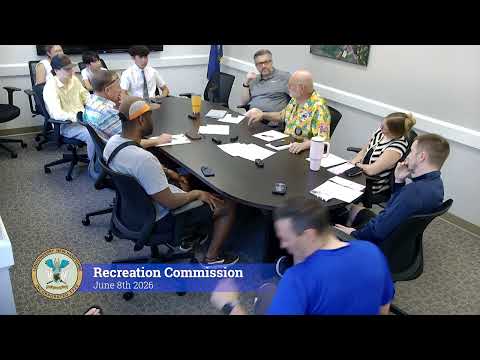
High-school students and residents press Londonderry commission to rebuild skate park
Summary
Two high-school students and local residents urged the Londonderry Recreation Commission to pursue rebuilding the town’s skate park, citing safety, youth activity and community benefits; staff said the old structure had rotted, offered cost estimates up to about $840,000 for a full concrete park, and outlined funding and ballot timelines.
Calvin Williams, a high-school freshman, told the recreation commission that skateboarding keeps him active and offers a safe place to socialize, and urged town leaders to replace the closed skate park so students do not skate in streets or on school property.
“I used to be able to go to the skatepark three or four times a week and I have lots of good memories from there,” Williams said, describing how a new facility would give young people “a safe place to skate, scooter, bike, and hang out.”
Alexander Samet, another freshman, echoed Williams’s call, citing safety concerns about skating in the street and proposing community fundraising to help rebuild a facility that was closed after being deemed unsafe.
Longtime resident and skateboarder Woodson Wanda said the project is more than recreation: ‘‘It’s about community,’’ he said, and urged the town to build with durable materials, design for multiple action sports and ensure visibility for upkeep. Wanda described working previously to secure a skate park and said a new facility would support mentorship and year-round programs.
Town staff and commissioners told speakers the old park had structural problems. An outside inspection and on-site review found rotted wood, deteriorated metal and exposed fasteners; staff said the wooden elements and nonstainless fasteners contributed to failure. One meeting participant offered a small, optimistic price estimate early in the discussion, but staff later said a full concrete facility could cost roughly $50 per square foot — an estimate that, for the park footprint discussed (about 17,000 square feet), translates to around $840,000. Participants said smaller, phased designs (for example, an 8,000-square-foot facility cited in a Bedford example at about $500,000) and asphalt or hybrid surfaces might reduce initial costs.
Commissioners and staff described funding pathways: a council-sponsored warrant article or a citizen petition (25 registered-voter signatures) placed on the town ballot, and the possibility of nonprofit fundraising or matched private sponsorships to reduce the town’s initial outlay. Staff emphasized timing constraints tied to the municipal budget process: department budgets are reviewed starting in July, warrant-article scheduling and citizen-petition logistics must be aligned with that cycle, and the town’s election falls on the second Tuesday in March.
Speakers repeatedly flagged voter turnout and local advocacy as determiners of success. Staff noted roughly 18,000 registered voters with about 4,000 voting in a typical local election, and urged early, organized outreach to show funding commitments and generate votes. Participants pointed to past local campaigns that succeeded when active volunteers mobilized voters.
The commission said CIP (capital improvement project) entries for versions of the skate park have already been submitted and that staff is exploring options with local businesses, designers and consultants. No formal vote or binding commitment was taken at the meeting because the commission lacked a quorum; staff said they would assemble cost, site and funding detail and present options to the town manager, town council and, eventually, the recreation commission for further action.
Next steps: staff will continue feasibility work, provide cost and site options to decision-makers, and advise residents on petition or council-led paths to a warrant article; any municipal contribution would need council endorsement and likely voter approval before construction began.