Get Full Government Meeting Transcripts, Videos, & Alerts Forever!
Get email alerts on the Native Landscaping topic
No spam. Unsubscribe anytime.
Local volunteers expand town pollinator garden and seek board OK for patio, edging and meadows
Summary
Change Hampton described a multi‑year private–public project that turned 4,000 sq ft of turf into a pollinator garden and is building 14,000 sq ft of native grassland meadows on town land; the group asked the board to approve a donated bluestone patio, 2x4 edging for beds to reduce maintenance and to proceed with phased meadow expansions in 2026.
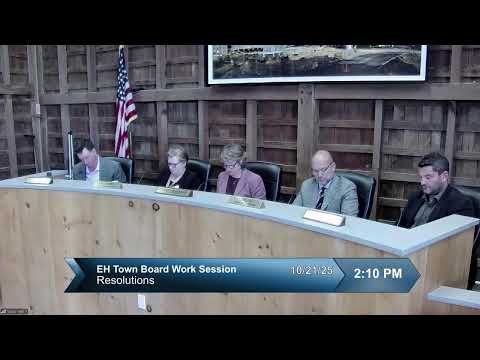
Change Hampton volunteers told the East Hampton Town Board on Oct. 21 that their private–public project has transformed a 4,000‑square‑foot lawn into a thriving pollinator garden and is now advancing a larger grassland meadow effort on town property.
Gail Pellet, a Change Hampton co‑founder, said the campus demonstration is intended as both habitat restoration and a public classroom. “We transformed this 4,000 square foot piece of turf lawn… and created this magnificent pollinator garden, which is now in its third year of gloriousness,” Pellet said, describing donations of plants and weekly volunteer maintenance.
The group asked the board for three near‑term approvals: permission for a donated bluestone patio under an existing picnic table; placement of 2x4 untreated planks inside bed edging to reduce grass intrusion and ongoing maintenance; and support to proceed with the next phase of grassland meadow planting (beds labeled H and I on their site map) in winter 2025–26. Pellet noted liability insurance for the garden had increased this year and that the 2026 town budget contains funding to cover it.
Stefan Vonam, Change Hampton president, showed an outreach product called an “action fan” intended to explain ecological concepts to residents and professionals. He said the group could produce the guides for town distribution and that volume pricing could reduce per‑unit costs if the town partners on printing and distribution.
Board members asked operational questions about longevity of untreated wood edging, whether a weed barrier would be placed under the bluestone, and the point at which town crews would assume maintenance responsibilities. Steve O’Brien, head of buildings and grounds, confirmed town crews have supported the project and that maintenance plans will be coordinated before any permanent work is accepted.
Pellet told the board Change Hampton will continue volunteer stewardship under the terms of the existing partnership; she said the original license contemplated town maintenance transition around 2027 but that the group planned to continue in the foreseeable future as the meadow program expands.
What’s next: the board provisionally approved the 2x4 edging (with a caveat about material choice) and placed insurance into the 2026 budget; members asked staff to confirm details about a weed barrier, the long‑term maintenance schedule and final siting of the bluestone patio before final authorization.
The presentation also highlighted educational and volunteer opportunities tied to the campus site, including student internships and tree‑planting plans to increase native oak canopy across the campus.