Get Full Government Meeting Transcripts, Videos, & Alerts Forever!
Get email alerts on the Zoning topic
No spam. Unsubscribe anytime.
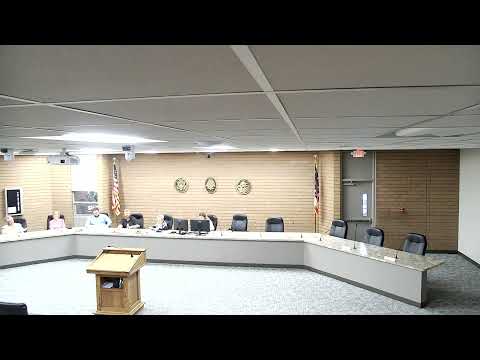
Commission debates green-space mandate and tightens planning timeline to prevent unintended automatic approval
Summary
Members debated adding green-space and broader notification requirements to charter/zoning, but deferred specific language. The commission voted to change a planning timeline rule so council failure to act within 90 days is treated as denial rather than automatic approval.
Discussion of a proposed green-space requirement for new developments and broader neighborhood notification dominated a lengthy portion of the meeting, but commissioners split on whether such substantive land-use rules belong in the charter or in zoning ordinances. Several members argued green-space mandates and expanded notification are policy matters better handled by zoning ordinances; others said placing strong values in the charter could strengthen enforcement.
The commission did not adopt a green-space mandate at this meeting; members agreed to prepare more specific wording and return with proposals, or to recommend ordinance-level action to city council. Separately, commissioners raised a procedural problem in planning-review timelines: the charter currently deems a proposal approved if council fails to act within 90 days. After debate about the risk that council could effectively block items by refusing to act, the commission moved and approved a change: council failure to act within the allotted time will be deemed a denial rather than an automatic approval.
Why it matters: the green-space discussion signals community interest in conservation and design standards, but the commission avoided binding charter-level land-use mandates without firmer wording and legal review. The timeline change aims to prevent process gaming and compel express council action on planning commission referrals.
Next steps: commissioners who favor green-space language will draft specific ordinance or charter text for future consideration; counsel will incorporate the timeline wording change into the redline.