Get Full Government Meeting Transcripts, Videos, & Alerts Forever!
Get email alerts on the Land Use Development topic
No spam. Unsubscribe anytime.
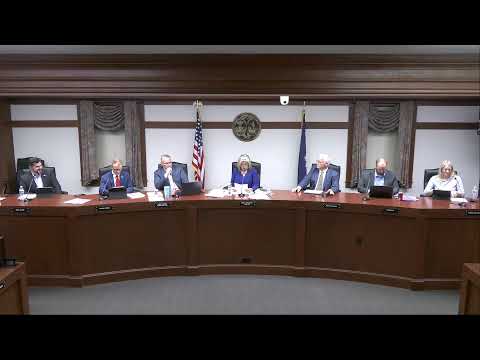
Lexington council approves annexation, several rezonings and a 51‑unit PUD; judge reappointed
Summary
At its May 4 meeting the Lexington Town Council approved an annexation for a West Main Street commercial node, multiple rezoning and planned‑unit development requests from Connelly Development to allow about 50–51 townhomes and limited commercial space, certified an abandoned building site and reappointed Municipal Court Judge Brian Jeffcoat.
Mayor Hazel Livingston and the Lexington Town Council voted May 4 to approve a string of land‑use actions that clear the way for new commercial development and a planned unit development that would add about 50–51 rental townhome units to the town’s housing inventory.
The council unanimously approved final reading of an annexation petition by Satra Properties LLC for roughly 29.31 acres along West Main Street and Highway 378 intended for a car dealership and commercial center. Council then granted final reading on two related rezoning requests and approved a site plan for Connelly Development’s proposed planned unit development (PUD) that would redevelop an existing apartment property and adjacent parcels into 50–51 townhome units with about 0.8 acres of neighborhood-scale commercial office space.
Why it matters: The approvals permit higher intensity development in locations the town’s comprehensive plan identifies as regional nodes and will require developer-funded roadway and signal improvements. Planning staff told council the projects were recommended by the planning commission and will be subject to the PUD conditions adopted with the rezoning.
Council members discussed several predictable concerns during the public debate. Planning staff and development representatives said the PUD will include traffic improvements paid for by the developer and that the proposal represents a net increase in housing compared with the pre‑fire unit count on one parcel. Jessica, a member of planning staff, reiterated that required easements remain in place: "There will be nothing built in the easement," she said, addressing questions about overhead power lines and setbacks. Planning staff also confirmed the developer plans to assist current residents with relocation outreach after the sale is final.
Developer Kevin Connelly explained the financing strategy and the application for state incentives tied to redevelopment. "We are applying for federal and state tax credits on the property," Kevin said, noting the project is structured as workforce rental housing that will target households at or below about 70 percent of area median income. He also said investors typically remain for roughly two decades before refinancing.
Votes at a glance: The annexation and each rezoning and PUD site‑plan motion passed on a voice/hand vote with no dissent among members present. The council also approved a resolution certifying 100 Snell Grove Road as an abandoned building site under the South Carolina Abandoned Buildings Revitalization Act—an action the applicant requested to support eligibility for state tax credits. Separately, council reappointed Municipal Court Judge Brian Jeffcoat to a new three‑year term and administered the oath at the meeting.
What happens next: With council approval and the PUD conditions in place, the developer may proceed with final permitting and site work subject to the town’s permitting process and any conditions noted in the site plan. The abandoned‑building certification enables the applicant to pursue state incentives as part of rehabilitation and redevelopment work.
Community context and safeguards: Council members probed liability and safety questions — including power‑line easements and wetlands concerns — and planning staff said utilities and easement language restrict structures in those areas. Staff also noted that the planning commission recommended approval after public hearings and technical review.
The council’s actions this evening also included authorizations for infrastructure projects (see "Votes at a glance"), reflecting an emphasis on coordinating private redevelopment with transportation and public‑works improvements.