Get Full Government Meeting Transcripts, Videos, & Alerts Forever!
Get email alerts on the Master Plan topic
No spam. Unsubscribe anytime.
Moraga parks master plan: consultants report robust engagement; residents urge tighter focus and more targeted outreach
Summary
Consultants and staff reported a multi‑pronged outreach campaign (7 pop‑ups, 10 focus groups, 3,000 mailed surveys with 415 responses, May 1 event with 328 completed passports); residents at the meeting said neighborhood notification remains insufficient and warned controversial concepts (orchard removal, dog‑park relocation) would jeopardize voter support for funding measures.
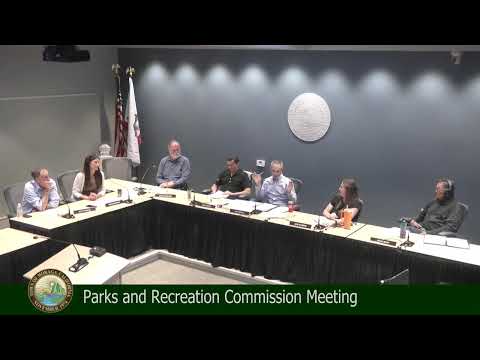
Parks and Recreation Director Mackenzie Brady presented an update on the parks and recreation master plan process, describing the consultant team (WRT lead; subconsultants Group 4, ETC for the statistically valid survey, and ESA for environmental input), the engagement program to date and the project schedule. Brady reported that ETC mailed the statistically valid survey to 3,000 households and the project received 415 completed responses, which the consultant confirmed as statistically valid and representative. Brady also said the May 1 Moraga Place Park event produced 328 completed 'passports' and that the online community survey was open through June 12.
Brady emphasized the preliminary concepts released to prompt discussion are not final recommendations, do not authorize projects and would require separate funding, environmental review and council authorization before implementation. She outlined upcoming milestones: consultant presentation of engagement and survey results on June 24, a joint council/commission study session anticipated Sept. 9, a draft plan in October or November and council review on Nov. 18. Brady said the plan is a planning document and does not itself appropriate funds for projects.
During questions and discussion, commissioners asked how well the mailed survey covered specific neighborhoods (including Rancho Laguna area) and whether additional workshops prior to preliminary recommendations would be appropriate. The consultants noted adding another workshop now would require repeating outreach content or extending the schedule into 2026 and increasing budget; they characterized current engagement as robust compared to many similar processes. Commissioners suggested targeted follow-up (e.g., a focused mailer to Rancho Laguna neighbors, pop-ups at the park, school-district messaging or short staffed shifts at Safeway) to reach underrepresented groups.
Public commenters at the meeting urged more direct outreach to affected neighbors. Lisa Tucker, who lives adjacent to Rancho Laguna Park, told the commission she felt burdened to notify neighbors herself and cited elderly residents and non‑internet households as likely to be missed by broad digital outreach. Another speaker warned that proposals perceived as removing the pear orchard or limiting dog access would alienate supporters and make any revenue measure (parcel tax or sales-tax measure requiring a two-thirds vote) unlikely to pass; speakers urged the commission and consultant to prioritize achievable, broadly supported projects.
Commissioners debated whether the plan should continue to “throw ideas at the wall” to test possibilities or instead present a narrower, more achievable set of priorities that reduces community anxiety over improbable changes. Several commissioners and staff acknowledged the tension between a comprehensive vision and pragmatic, fundable projects.
Next steps: the community survey closes June 12; staff and consultants will finalize and present engagement results on June 24; the commission and council will review draft recommendations later this year, with public comment opportunities before any project authorization.