Get Full Government Meeting Transcripts, Videos, & Alerts Forever!
Get email alerts on the National Service topic
No spam. Unsubscribe anytime.
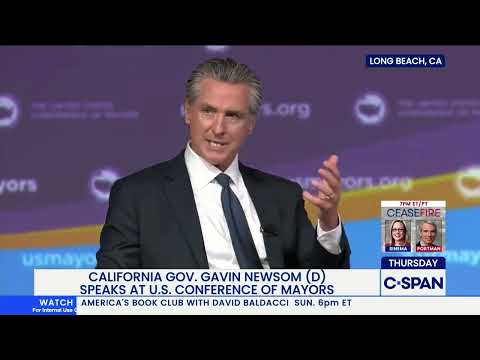
Presenter urges expansion of paid youth service and proposes 450‑hour, $10,000 tuition exchange
Summary
A presenter advocated expanding national and local youth service programs, proposed a plan to exchange 450 hours of service for $10,000 in college tuition, and emphasized summer jobs and mentorship to address gaps in outcomes for young men; the transcript records no formal action.
Presenter urged expansion of paid youth service programs and proposed a tuition-for-work exchange during a prepared set of remarks. "You give us 450 hours of work, we'll pay $10,000 of your college tuition," the presenter said, positioning the plan as a way to broaden access to college and shared civic experience.
The presenter framed the argument in historical terms, linking the proposal to programs launched under presidents John F. Kennedy and Lyndon B. Johnson. He cited national initiatives such as the Peace Corps and Special Olympics and said local service corps have grown into significant programs. He told listeners the effort supports paid internships, noting, "We put in about $70 billion, $68 million last year" and that 20,000 paid internships were beneficiaries, language that appears inconsistent in the transcript and is reported here as stated.
Explaining the policy rationale, the presenter said shared service builds unity and called for consideration of universal national service, while acknowledging smaller, targeted programs remain important. On education and social outcomes, he warned of a "crisis of men and boys," saying graduation rates lag and incarceration and dropout rates show growing disparities; he summarized this point as a call for more engagement, mentorship and local summer programs.
The presenter highlighted the role of summer jobs and community organizations in providing mentors and belonging. He specifically cited Boys and Girls Clubs as important local partners and argued for more male mentors and leaders in those programs. He also cautioned that the deficit of belonging could be intensified by changes from artificial intelligence.
The remarks were delivered as part of a prepared address and the provided transcript records no formal motion, vote or follow-up assignment. Several quantitative claims in the remarks are reported as stated in the transcript; where figures or phrasing were unclear or inconsistent in the transcript, the article notes that status rather than asserting a corrected number.