Get Full Government Meeting Transcripts, Videos, & Alerts Forever!
Get email alerts on the Animal Protection Services topic
No spam. Unsubscribe anytime.
Will County committee hears that animal protection lacks in‑county sheltering and bats remain primary rabies carrier
Summary
Committee members were told the county has no in‑county sheltering bids after an RFP and currently contracts with an Aurora facility; health officials said bats are the primary rabies carriers and positive results are handled under state laboratory and health‑department protocols.
The Will County committee continued its review of animal protection services, focusing on shelter capacity, contracting and rabies protocols.
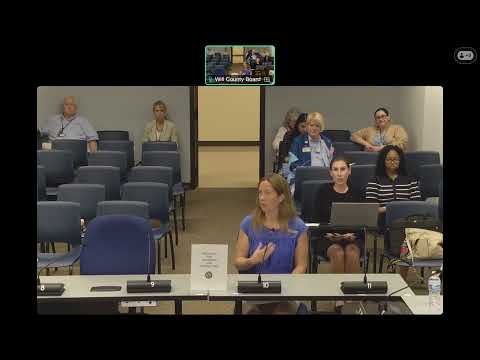
Chair Butler kept the item on the agenda as old business to monitor an expansion of animal protection services. Hannah Payton, representing county animal protection services, told the committee she has no substantive new updates but will provide a fuller budget presentation on request. Payton said the department issued an RFP for animal housing and “got zero bids back for places within Will County,” and that the county currently contracts with a facility in Aurora outside the county.
Payton described the contract situation as a critical need and said the county is working with a consulting firm to assemble data so officials can decide whether to pursue an in‑house facility, continue outsourcing, or seek other options. She also said the county’s "Whiskers at Work" program placed 79 cats last year — more than in the program’s first two years combined — which reduced the number of animals historically euthanized.
On public‑health questions, Payton said bats are the primary rabies carrier in the area and that positive bat specimens are sent to a state lab for testing. “It's usually within I would say 3 to 5 days,” she said of test turnaround. Payton said the health department issues directives for human exposure cases and that the county notifies exposed residents right away.
Committee members pressed staffing and response concerns. Payton said the department maintains an officer on call 24 hours a day and acknowledged that response times can be lengthy given the county’s geography, which sometimes leads to sheriff or local police involvement for animal incidents. She said determinations about declaring a dog "dangerous" follow the Illinois Animal Control Act: local villages may declare a dog dangerous under municipal ordinances, but a county administrator's declaration under state statute applies across jurisdictions.
The committee directed that animal protection remain on monthly informational reports to the committee; Payton will submit baseline data in the first monthly report and attend only when discussion is needed. The committee also requested staff return with more detailed budget and contract information as consultations progress.
The committee approved the May 7 minutes earlier in the meeting and otherwise took no formal votes on animal‑services policy during this session.