Get Full Government Meeting Transcripts, Videos, & Alerts Forever!
Get email alerts on the Behavioral Health topic
No spam. Unsubscribe anytime.
Ulster County posts behavioral health needs assessment; commissioners map actions including mobile teams, school partnerships and peer roles
Summary
Ulster County’s Department of Mental Health presented a newly published behavioral health needs assessment (HSRI) and outlined more than 25 recommendations—ranging from expanded school-based supports and mobile mental-health teams to restoring CIT training and pursuing a 24-hour pharmacy—while the county begins weaving the report into its annual local services plan and solicits public feedback via a website survey.
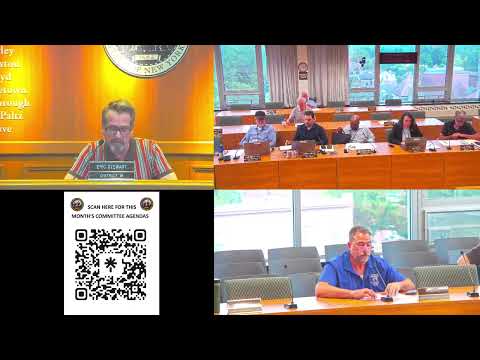
Commissioner Tara McDonald told the Ulster County Legislature’s Health, Human Services and Human Rights Committee on June 4 that HSRI’s behavioral health needs assessment is now publicly posted on the county website and that the Department of Mental Health is actively seeking resident feedback to inform implementation.
McDonald said the assessment contains more than 25 recommendations that the department is already integrating into Ulster County’s four-year local services plan and the annual update due to the state. Katrina Williams and other staff briefed the committee on priority areas the department will pursue, including expanded support for unhoused residents, linguistic and cultural accessibility, partnerships with schools and middle-school mental-health teams, strengthening hospital discharge coordination, mobile mental-health services, and restoring the crisis intervention team (CIT) program with law enforcement.
Other recommended actions the department highlighted include creating a comprehensive prevention strategy, increasing access to home- and community-based Medicaid services, establishing a peer leadership role within the department, streamlining public resource directories, promoting the Social Care Network, and exploring transportation and 24-hour pharmacy solutions.
McDonald said many of the report’s recommendations will require interdepartmental and community partnerships because several—such as housing and transportation—fall outside the department’s direct authority. She asked committee members to help promote the assessment and the online survey so residents and providers can weigh in on which recommendations to prioritize.
During questions from legislators, McDonald acknowledged the difficulty of establishing a 24-hour pharmacy and said the department will lead coordination efforts but expects to partner with the county executive’s office and private-sector pharmacies. Committee members praised the county’s redesigned website and noted that system navigation remains a major barrier for some residents; McDonald said the department will work with communications and community partners to improve accessibility and consolidate resources where possible.
The department also outlined a plan to use community services board (CSB) feedback and internal staff action plans to monitor progress. McDonald said the department will submit the local services plan update to the state by the end of the month and will continue community outreach while staff synthesize survey responses and performance data.