Get Full Government Meeting Transcripts, Videos, & Alerts Forever!
Get email alerts on the Policy topic
No spam. Unsubscribe anytime.
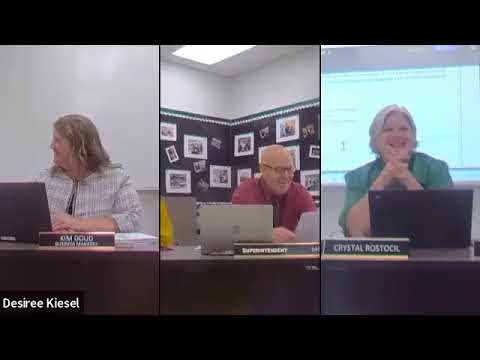
School board considers cutting written minutes, tightening sick-leave policy in first reading
Summary
Trustees held first readings on policy changes that would move to recorded/AI-assisted minutes and require roll-call votes for clarity; they also reviewed a proposed sick-leave policy that defines excessive use as more than one day per month on average and cites OSBA guidance on leave exhaustion.
At a first reading the board reviewed multiple policy changes, including a proposed revision to BDDG (recordings and minutes) that would move away from publishing traditional written minutes and toward recorded or AI-assisted records, and a proposed sick-leave policy update (GCBD/GDBD) that clarifies attendance expectations and termination options.
The proposed BDDG language would allow archives to be kept in recorded form and require roll-call voting if minutes are not written in full, so the public record shows how each member voted. Board members discussed using AI-generated transcripts or summaries as searchable records but raised questions about accuracy and legal sufficiency; one trustee recommended auditing any AI-generated product in the first uses.
On sick leave, the presenter explained staff moved previously adopted language into the sick-leave policy and added a definition that "excessive use of sick leave shall be defined as more than one day a month on average." The policy text also states that sick leave used concurrently with approved state or federal protected leave is exempt from the attendance standard, and it references OSBA guidance that allows a district to terminate employment if a teacher exhausts leave and cannot return the following year.
Board members asked about 15-minute incremental sick-leave usage included in the collective bargaining agreement and how that affects substitute pay and administrative costs; presenters said changing that increment would require bargaining. The policies were held for adoption at the board27s next meeting pending any additional questions from trustees.