Get Full Government Meeting Transcripts, Videos, & Alerts Forever!
Get email alerts on the Rail Crossing Removal topic
No spam. Unsubscribe anytime.
Resident proposes removing River Road railroad crossing to cut nighttime train horn noise
Summary
A Bristol resident proposed rerouting River Road and removing a railroad crossing to create a quieter downtown, citing federal grant incentives for crossing removal and estimating total cost near $1.1 million; borough staff said engineers will review the plan and a wetlands survey is a recommended first step.
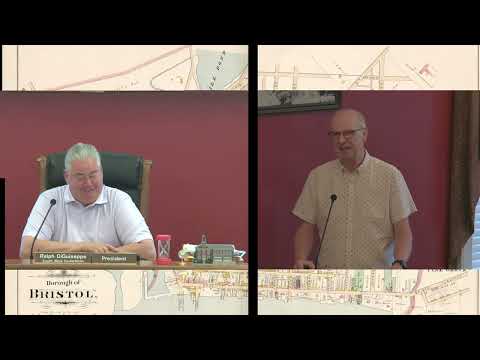
John Heagy, a Bristol resident, urged the Council to consider removing the railroad crossing at River Road to reduce persistent nighttime train-horn noise and to pursue federal and state funding to cover most of the cost. Heagy said the plan would reroute River Road onto land owned by Bristol Township, avoid one railroad crossing, and leverage an 80% grant rate that applies to crossing removals.
Heagy outlined his assessment of technical and cost factors and presented preliminary figures: a total project cost he described as "just under 1.1 million," with grant reductions lowering the town’s share to an estimated $48,000 in one scenario and $217,000 for the township and about $18,500 for the borough in another breakdown he discussed. He said wetlands impacts appear small (about 0.04 acres in his review) and that a wetland delineation survey — estimated at $5,000–$6,000 — should be the first step.
Borough members and engineers cautioned that removing tracks or getting rail operators to alter operations is often difficult. The council asked borough engineering staff to review Heagy’s packet and survey materials; Amanda, the borough engineer present at the meeting, agreed to accept his materials and follow up.
The proposal also noted potential private participation: Heagy said Dow Chemical might be willing to contribute because crossing removal could improve crew safety and operations. Heagy emphasized that design choices such as maintaining a 40-foot setback could avoid specific CSX requirements and reduce costs.
The council did not take formal action at the meeting. Next steps discussed were commissioning a wetland delineation and having borough and township engineers evaluate the feasibility, costs, and permit implications before any formal grant application or solicitation of rail or corporate participation.