Get Full Government Meeting Transcripts, Videos, & Alerts Forever!
Get email alerts on the Facilities topic
No spam. Unsubscribe anytime.
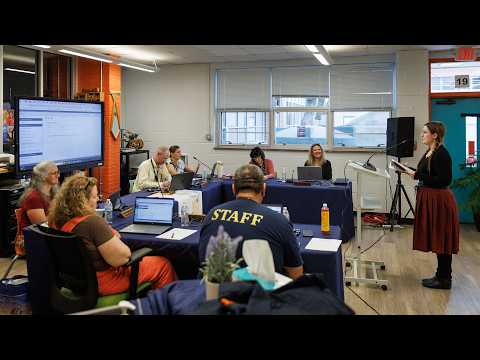
Rappahannock board briefed on roofs, boiler line and sewer design; many projects tied to proposed 1% sales-tax funding
Summary
District staff reported a $754,600 roof project (winning bid ~$680,895), an underground boiler-line replacement (estimated $63,795) with no bids yet, and a $50,000 engineering design for sewer ammonia-discharge compliance; several projects depend on vendor bids and county capital funding assumptions linked to a proposed 1% sales-tax ballot item.
Board members received a detailed facilities update covering major capital projects and routine maintenance, and discussed how vendor availability and county funding assumptions affect timing.
The district reported a capital improvement plan that includes an elementary-school roof project budgeted at $754,600; staff said the winning RFP bid came in under budget at about $680,895 and that replacement plywood prices were being clarified. An underground boiler-line replacement was identified as critical to proceed with the courtyard project but attracted no bids; staff estimated the job at about $63,795. An engineering design contract for the sewage treatment plant to meet updated ammonia discharge requirements was placed at roughly $50,000 in the capital plan.
Staff explained some projects are advanced by a Virginia Department of Emergency Management (VDEM) grant (roof hardening) and that generators and other resilience improvements are complete or near completion. Several projects depend on the assumed 1% sales-tax revenue stream that the county may place on the November ballot; board members asked for public-facing, regular CIP updates so residents can follow progress and ask questions.
The board discussed using Schneider Electric for larger HVAC- and efficiency-type projects but said Schneider work awaits approved scope and budget in the next capital cycle. Staff also described routine maintenance budgets and constraints for plumbing, HVAC and water testing, and noted challenges such as limited local bidders for specialized underground work.
Next steps: staff will continue outreach to bidders for the boiler-line work, provide clarifying cost breakdowns for roofing materials, and produce a regular facilities/CIP update cadence for the board and public.