Get Full Government Meeting Transcripts, Videos, & Alerts Forever!
Get email alerts on the Comprehensive Plan topic
No spam. Unsubscribe anytime.
Regional planners say future land use map shows ample capacity; Ferguson Township projects 604-unit need over 20 years
Summary
Center Region planners told a joint meeting that REDCap 2023 and permit updates show roughly 10,000 residential-unit capacity regionwide and about 3,000 units of capacity inside Ferguson Township’s regional growth boundary; staff said Ferguson’s projected need over 20 years is about 604 units and outlined steps to finalize the regional comprehensive plan.
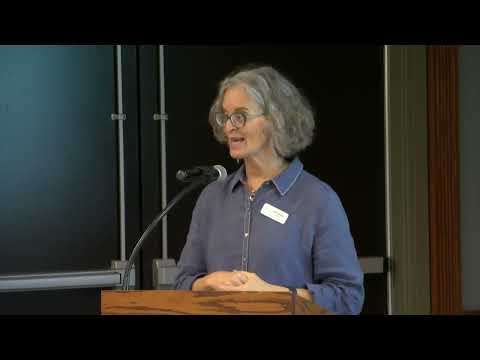
Pam Adams, regional planning director at the Center Region Council of Governments, told the joint Board of Supervisors and Planning Commission on June 8 that the draft regional comprehensive plan and future land use map show substantial in-boundary capacity for new housing.
The presentation, which Pam Adams delivered with staff member Jenna Wargo, cited REDCap 2023 and later permit counts: regionwide the analysis identified roughly 3,300 acres of land (about 1,700 acres with approved plans), about 7,000 approved residential units, and roughly 3,700 units on vacant land — totaling about 10,000 residential units of capacity across the six participating municipalities. Adams said Ferguson Township alone currently has capacity for about 3,000 residential units inside the regional growth boundary, including both vacant land and previously approved plans.
Why this matters: the regional comprehensive plan is a vision and policy tool that guides growth, helps prioritize grant funding and supports coordinated infrastructure decisions. Adams stressed the future land use map is not a zoning ordinance and municipalities retain zoning authority; the plan is intended to inform ordinance amendments where municipalities choose to implement the map.
Officials also reviewed population projections. Using a 2025 baseline population of about 19,000–19,500 and a household size of 2.32, staff estimated Ferguson Township could see roughly 1,400 additional residents over the next 20 years, translating to a need for about 604 new housing units under current projection methodology. Adams noted projections can change if a large employer or other economic event alters demand.
The presentation described the regional growth boundary’s history — a policy approach tied to sewer-service area mapping that was formalized in 2006 — and staff outlined next steps: refine definitions and the implementation agreement (estimated two to three months of follow-up work on definitions), package the workshop input into a report for the planning commission, and then forward the plan for board and CRPC review with a target for regional review/possible adoption in early 2027.
Direct quote: “You still have capacity for 3,000 units inside the regional growth boundary,” Adams said while summarizing Ferguson-specific findings.
The joint meeting included a short table-based workshop where supervisors and commissioners proposed localized reclassifications (for example, portions of the Herner Farm corridor and some neighborhood corridors). Staff and commissioners agreed the next steps include documenting barriers to infill development and identifying consistent land-use definitions across municipalities before finalizing the implementation agreement.
The planning staff emphasized that although the plan guides future zoning changes, any ordinance amendments remain the purview of the individual municipalities. The planning commission will review the compiled report; after staff and planning commission input the board of supervisors and the Center Region Planning Agency’s general forum will see the draft for further refinement.