Get Full Government Meeting Transcripts, Videos, & Alerts Forever!
Get email alerts on the Dockets topic
No spam. Unsubscribe anytime.
Public Utilities Regulatory Authority adopts nine-docket consent calendar, designates presiding officer for a proceeding
Summary
The Public Utilities Regulatory Authority panel met remotely June 10 and unanimously adopted a nine-docket consent calendar (Part A). The panel also approved Part B to designate a presiding officer for a separate proceeding and will reconvene June 17, 2026 at 9:00 a.m.
The Public Utilities Regulatory Authority panel met remotely on June 10, 2026 and unanimously approved a nine-docket consent calendar, Chair Tom Wheel said at the start of the session.
"Good morning and welcome to a regular meeting of a panel of utility commissioners of the Public Utilities Regulatory Authority held today, Wednesday, June 10th, 2026 at 9:00 a.m. by remote teleconference," Chair Tom Wheel said as he opened the meeting. He thanked the authority's Office of Education, Outreach, and Enforcement for its work on the dockets.
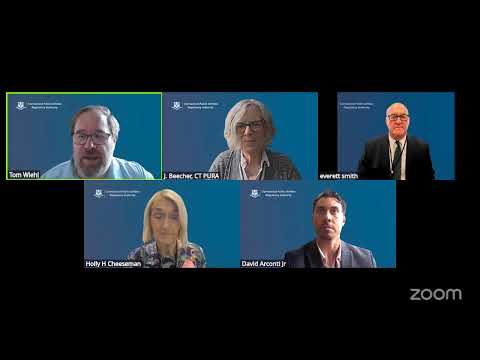
A commissioner moved that the panel consider items one through nine on Part A of the agenda; another commissioner seconded the motion. During roll call, Chairman Tom Wheel, Vice Chairman David Aranti, Commissioner Jan Beecher, Commissioner Holly Cheeseman and Commissioner Everett Smith each answered yes. The chair announced that items one through nine on Part A were adopted.
The panel then addressed Part B, a consent calendar item limited to the appointment of a presiding officer in one proceeding. A motion to adopt item one on Part B was made and seconded. The clerk conducted a roll call; all five commissioners voted yes. The panel stated that the assigned panel for that proceeding "has designated a presiding officer for that proceeding." The transcript does not identify the presiding officer by name.
The authority adjourned and will reconvene on Wednesday, June 17, 2026 at 9:00 a.m.
Meeting participation and formal actions were limited to routine consent items; no contested hearings or substantive debate on the dockets were recorded in the public session.