Get Full Government Meeting Transcripts, Videos, & Alerts Forever!
Get email alerts on the Opioid Abatement topic
No spam. Unsubscribe anytime.
Public speakers urge Carroll County to reconsider $12,000 opioid-abatement grant for summer youth programs
Summary
At the June meeting, public health specialist Jennifer Thomas and local residents urged commissioners to restore a $12,000 opioid-abatement grant removed from the agenda to fund summer prevention programs for children; commissioners said reopening the county budget would require action by the delegation and is not being done today.
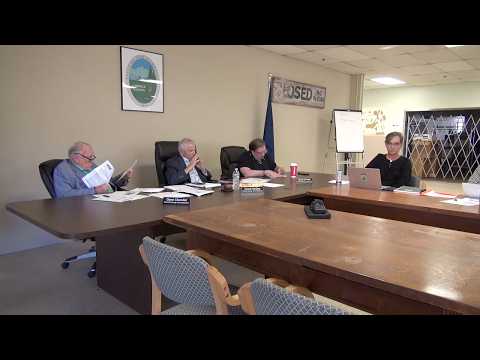
Jennifer Thomas, a board-certified prevention specialist with Carroll County Public Health, told commissioners at the June 9 meeting that using opioid-abatement funds to provide scholarships and summer day programming would reduce risk factors for substance misuse and produce a strong return on investment. “Protective factors outweigh risk factors by like 2 to one,” she said, describing increased social connections, trusted adults and access to healthy activities as key benefits.
Thomas said the program would use opioid-abatement dollars to support summer learning and enrichment for children — including those at higher risk — and urged the commission to reopen the budget to allocate about $12,000 for local programming. An attendee who spoke earlier said the item had been on the agenda but was removed that morning; Thomas said she would yield time for a colleague to comment and would return later in the meeting for additional remarks.
Not everyone supported redirecting the funds. Dallas Emry said he opposed spending the opioid-settlement money on the proposed youth program, criticized the statewide settlement’s outcomes and urged commissioners to prioritize other treatment providers. “There are plenty of other opioid treatment facilities that need the money,” Emry said.
Commissioners noted the budget for the current year is closed. One commissioner explained that reopening the county budget would require a request to the delegation and that the chairman of the delegation had signaled he would not reopen the budget this cycle. The transcript referenced RSA Chapter 126-A (the state opioid-abatement trust fund statute) as part of the broader legal framework discussed by speakers, but commissioners said there was no immediate plan to adjust the county budget at the meeting.
The commissioners did not take a formal vote to reinsert the opioid request during the meeting. Several commissioners said they are open to discussing allocation policies with the delegation and to considering procedures for distributing opioid-abatement funds in the future, but they stopped short of reopening the current year’s budget during the June 9 session.