Get Full Government Meeting Transcripts, Videos, & Alerts Forever!
Get email alerts on the First Responder Protections topic
No spam. Unsubscribe anytime.
House passes package that penalizes interference with first responders
Summary
The Michigan House approved three bills (HB5574–HB5576) that make it a crime to approach or harass a first responder actively performing duties after a clear verbal warning; sponsors said the measures create a safety buffer without banning lawful observation. Each bill passed on a roll-call vote and was ordered to immediate effect.
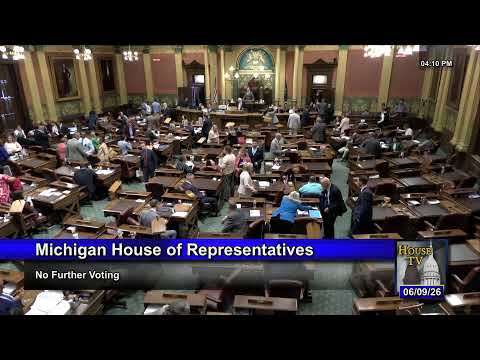
The Michigan House on the third reading approved a three-bill package aimed at protecting first responders from interference during emergency responses.
Representative Harris, speaking in support of the package, said the bills "create a reasonable safety buffer by making it a crime to approach or harass a first responder actively performing their duties after receiving a clear verbal warning to stand back." She framed the legislation as a public-safety measure that does not prevent “observing and recording emergency scenes from a safe distance” but seeks to deter individuals who knowingly interfere after being warned.
Representative St. Germaine also addressed the chamber in favor of the package, calling it a response to recruitment and retention struggles among police, firefighters, paramedics, and corrections officers and saying the bills provide "tools and protections that law enforcement needs to do their jobs effectively."
Lawmakers debated the measures before each was put to a recorded roll-call vote. The clerk announced the following final tallies: HB5574 passed 74–30; HB5575 passed 71–33; HB5576 passed 73–31. After each passage the majority floor leader moved for immediate effect and it was ordered.
Supporters said penalties escalate when interference results in injury or death, and that the bills aim to deter dangerous interruptions at chaotic emergency scenes. Sponsors emphasized the legislation is intended to protect first responders and bystanders rather than to punish mere observation.
The bills will take their next administrative steps for enrollment and enactment following the House’s action.
The House adjourned until Wednesday, June 10, 2026 at 1:30 p.m.