Get Full Government Meeting Transcripts, Videos, & Alerts Forever!
Get email alerts on the Homelessness topic
No spam. Unsubscribe anytime.
Heated public comments on ‘sleeping pods’ as Lenoir officials cite safety and permission concerns
Summary
Residents, organizers and city officials debated privately placed ‘sleeping pods’ for people experiencing homelessness; the planning director said property owners had not authorized placement and the fire marshal outlined state code limits and safety requirements.
A prolonged public-comment period at the Lenoir City Council on March 3 centered on privately placed “sleeping pods” that a group called His Humble Hands installed in the city to provide temporary shelter. Speakers framed the issue as both a humanitarian response and a code-and-safety problem, and city staff described enforcement steps taken when property owners objected.
Several residents and volunteers described results they said came from the pods. Jenny Wheelock, who said she has followed zoning issues closely, urged the council to consider changing zoning rules to allow more flexible transitional housing and said the current code’s silence created an enforcement gap. Organizer Patrick Wristy, who said he operates a disaster-response operation, disputed accusations of wrongdoing and said, “I didn’t break no ordinances, didn’t break no laws,” and that he planned to bring more pods.
The city’s planning director, who identified herself as Hannah, told the council she had informed staff that neither property where pods had appeared had property-owner authorization for hosting homeless occupants; she said the owner of a Valleymead-area site asked that the pods be removed and that the son holding power of attorney had not authorized placement. Hannah said staff support transitional housing but stressed programs must follow state and local safeguards to protect vulnerable people.
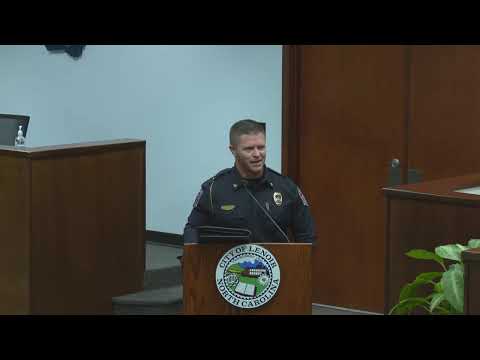
Chris Jacobs, Lenoir’s fire marshal, told the council there is no existing classification for a ‘‘pod’’ in the state building or fire code and said the devices could be treated as tents or campers depending on use. He outlined the regulatory differences between emergency shelters (used in declared disasters), homeless shelters and overflow shelters and said those uses trigger requirements such as fire alarms, sprinkler systems and minimum staffing. Jacobs cautioned that permitting structures for people to sleep in regular (non-disaster) times requires meeting those standards.
Angela Warner, a property owner who said she offered land and supervised placements, appealed for compassion and recounted helping individuals obtain identification and housing steps; she said people who had stayed in pods found jobs and made progress. Amber Bradford of the regional homeless response team (Western Piedmont Council of Governments) urged coordinated, regional solutions and offered to plug individuals into supportive housing, transportation and documentation services.
City staff and speakers said enforcement steps took place after property owners asked for pods to be removed. The council did not take an action to change code at the meeting, and no new permitting pathway was adopted; staff reiterated the need for groups placing temporary shelter structures to coordinate with city and county officials so placements comply with property permission, building and fire codes.
Speakers on both sides urged continued engagement: pod proponents emphasized immediate needs and personal success stories, while officials emphasized legal authority, property-owner rights and safety standards. The council closed public comment after the exchange and proceeded to other agenda items.