Get Full Government Meeting Transcripts, Videos, & Alerts Forever!
Get email alerts on the Immigration Policy Local topic
No spam. Unsubscribe anytime.
Residents urge Lenoir council to protect immigrant families after ICE activity; call for "know-your-rights" measures and city policies
Summary
Multiple residents, faith leaders and advocates told the council about recent immigration enforcement actions and urged local protections: resolutions limiting local cooperation with federal immigration agents, Fourth Amendment workplace policies, community warning protocols and know-your-rights workshops.
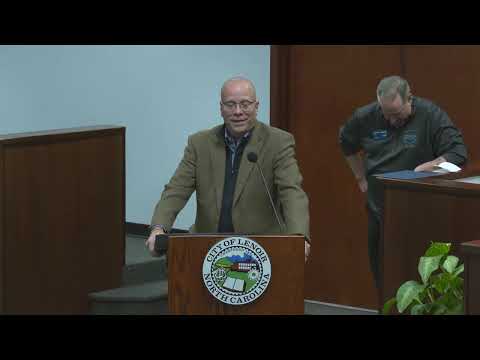
A series of residents, nonprofit leaders and faith leaders addressed the Lenoir City Council on Jan. 6 with accounts of recent immigration enforcement and broad calls for local protections and community support.
A read statement from Pastor Ivan de la Cruz framed the remarks: "For us, immigration is not a policy debate. It is a human reality," the statement said, urging humane enforcement that preserves family unity.
Marta Lazo, an immigrant business owner and nonprofit leader, described people in the community who are now "coming to me crying, scared," and urged the council to create a safe-haven approach and restore local services and supports that help immigrants access work, schools and healthcare without fear.
Speakers asked the council to consider measures including resolutions that limit local cooperation with federal immigration enforcement, —Fourth Amendment workplace— protections for city property, know-your-rights workshops, advisory boards that include undocumented residents, and explicit support for immigrant-owned businesses.
One advocate urged the council to act locally after recent federal court decisions that he said make ethnicity or language a possible factor in enforcement and recommended immediate local policy steps such as a resolution of noncooperation, funding for legal-education workshops, and community-warning protocols.
Council members listened but did not adopt any new policy during the meeting; speakers said they will continue to press the issue at future meetings and seek specific council commitments to workshops, advisory representation and noncooperation language.