Get Full Government Meeting Transcripts, Videos, & Alerts Forever!
Get email alerts on the Transportation And Public Safety topic
No spam. Unsubscribe anytime.
Residents warn state detour will push dangerous cut‑through traffic into New Castle neighborhoods; board pledges signage and enforcement review
Summary
At a June 9 meeting residents said NYSDOT’s Route 117/Old House Lane culvert detour will redirect traffic onto narrow residential streets and urged the town to block or limit cut‑throughs; town staff said the project is a state responsibility but will pursue signage, police coordination and communications. The board also opened and closed a public hearing on a townwide 25 mph law and left the record open until noon June 12.
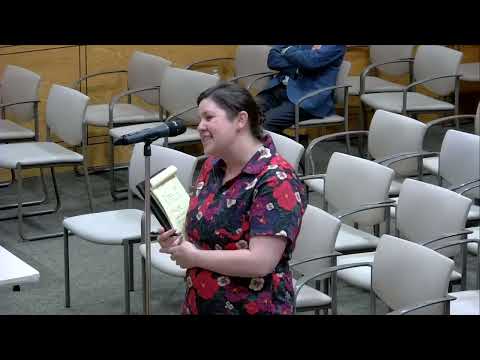
Dozens of residents and board members at the June 9 New Castle Town Board meeting voiced alarm about the NYSDOT detour planned for the Route 117/Old House Lane culvert replacement, warning that the state‑posted routing and likely GPS shortcuts will send drivers through narrow, winding residential streets with limited sight lines.
“Those roads are incredibly windy and steep…there’s kids walking, there’s dog people walking,” resident Jeremy Salan told the board during public comment. He urged the town to seek signage and legal measures to protect neighbors. David Gapsky and other speakers echoed the concerns, saying the detour’s posted alternative is a 10–13 mile route that local drivers will not use, instead preferring historic cut‑throughs such as Alangquin, Pauling and Overlook that are as narrow as 16 feet and lack sidewalks.
Town staff acknowledged the safety risk and repeated that the Route 117 work is a state project but said the town will press NYSDOT for more advanced signage, ask the state to add signs on major approaches (including Saw Mill River Parkway), produce a more user‑friendly municipal detour map for residents, and discuss police presence or temporary enforcement. "We have raised these concerns with the state over and over again," a town official said, and staff said they had successfully delayed some work to minimize conflicts with school sessions.
Residents asked whether the town could legally close side streets, ban truck traffic on local roads or otherwise prevent cut‑throughs. Officials said blanket closures of local roads are legally and practically difficult when the roads remain public or privately maintained for public use, but they will explore signage, enforcement and communication options and ask NYSDOT to consider local safety measures.
Separately, the board opened a public hearing on a proposed local law that would make most town roads 25 miles per hour (leaving nine roads unchanged at 30 mph). After noting two prior public presentations and the consultant study, the board closed the hearing and left the written record open through Friday, June 12 at 12 p.m. for additional comments before further action.
No final votes on traffic enforcement or detour changes were taken at the meeting; staff said they will report back with legally feasible options and additional coordination with NYSDOT, police and public notices.